A narrow hallway is a British home design cliché for good reason. Whether you live in a Victorian terraced house with a corridor barely wider than a shoulder, a compact flat where the entrance doubles as a transition space or a modern semi with an awkwardly proportioned entry, storage in tight hallways feels like an afterthought. Coats pile on hooks, shoes scatter across the floor and visitors squeeze past a bottleneck of clutter. The reality is that UK homes, particularly those built before the 1980s, were designed with different expectations about how much stuff we’d accumulate. Modern life demands different solutions. Hallway storage doesn’t need to mean sacrificing precious floor space or accepting chaos as inevitable. Smart, intentional choices about what furniture to introduce can transform even the narrowest entry into an organized, functional space.
Understanding Your Narrow Space Constraints and Opportunities
Before shopping for hallway storage, measure your actual space and identify what makes it narrow. Is the constraint the width of the corridor, the depth available before a doorway or both? A hallway that’s 1.2 metres wide but 4 metres long has different storage possibilities than one that’s 1 metre wide but only 2 metres long. Consider doorway swings too, if your living room door opens into the hallway, a tall cabinet placed opposite could create a collision. The best narrow hallway storage works with the space you have rather than fighting it. Vertical solutions often win because they draw the eye upward and don’t consume precious floor width. Wall-mounted shoe racks, narrow standing units and tall cabinets create storage without sprawl.
Shoe Storage The Non-Negotiable Essential
UK homes accumulate shoes and the hallway is where they live. A typical household has 20-30 pairs between residents, yet most narrow hallways lack dedicated shoe storage. Instead, footwear ends up scattered on the floor, creating a tripping hazard and visual clutter. Shoe benches with built-in storage solve this elegantly. These pieces are typically 80-90 centimetres wide, shallow enough to fit in tight spaces and feature a comfortable seating area on top with cubbies or shelves below for shoes. They work because they serve double duty a place to sit while removing outdoor shoes and a contained system for storage. For homes with even less floor space, slim shoe cabinets with tiered internal shelving hold 20+ pairs in a footprint barely wider than a bookshelf. Songmics Home offers shoe benches in materials ranging from wood to engineered materials, all designed with the narrow hallway in mind.
Coat Racks and Hook Systems Vertical Efficiency
Wall space is your ally in a narrow hallway. A row of hooks is the obvious solution, but this creates visual busyness and works poorly when multiple coats overlap. Modern narrow hallway solutions use tiered hook systems, rows of hooks mounted at different heights so coats don’t bunch. Alternatively, a standalone coat rack occupies a corner and keeps outerwear organized vertically rather than on hooks. Some coat racks include a lower shelf for shoes or bags, creating a mini mudroom effect in just 40 centimetres of floor space. The key is choosing a coat solution that’s intentional rather than defaulting to whatever hooks came with the property. A thoughtfully designed coat system signals that storage is planned, which somehow makes a small hallway feel more organized even if the actual storage capacity is similar.
Console Tables Style Meets Function
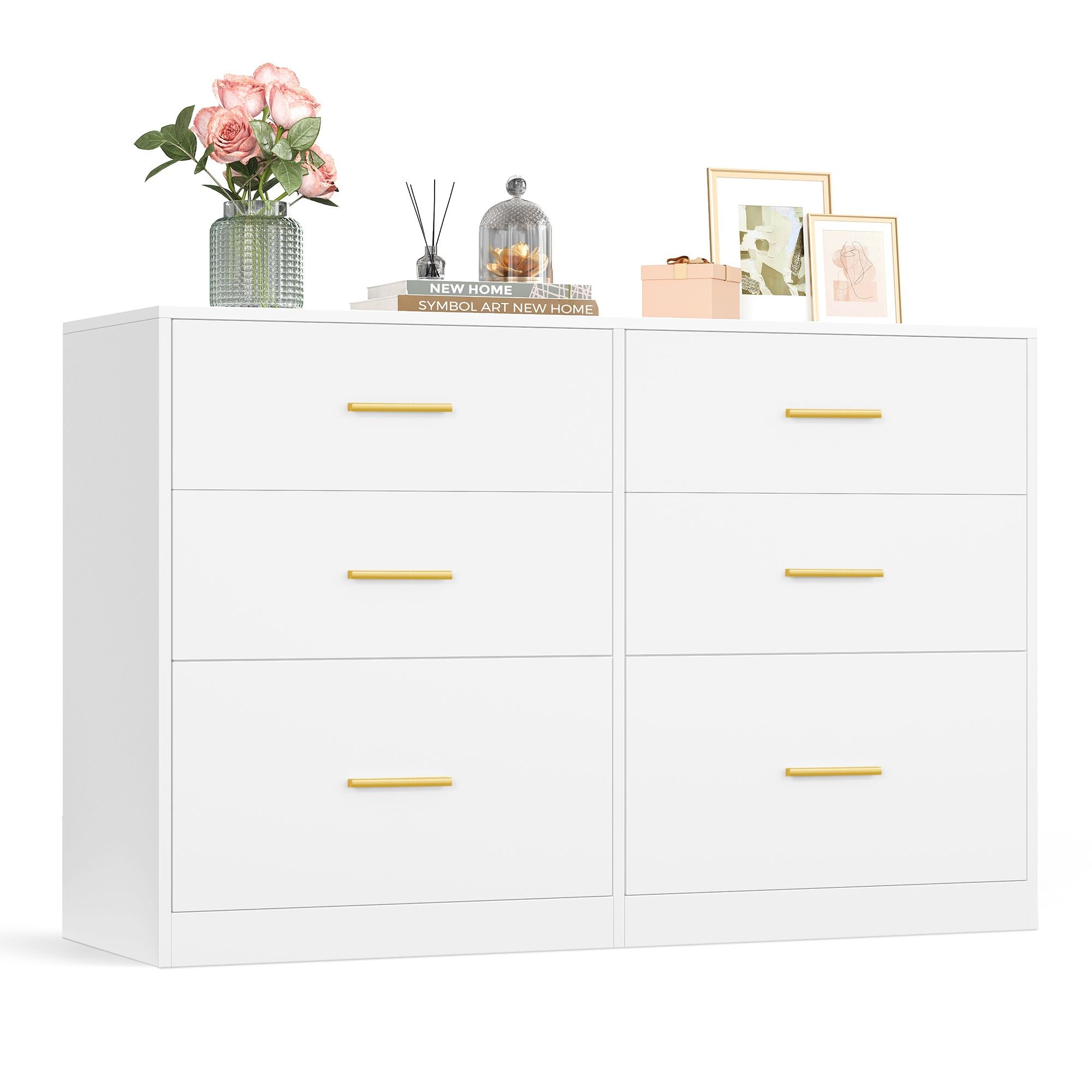
A hallway console table serves multiple purposes in a narrow space. During the day, it’s a surface for keys, post and small items that need a landing spot. Some console tables feature a shelf underneath for bags or a drawer for household essentials like spare socks or chargers. In a narrow hallway, a slim console, no wider than 30 centimetres, adds sophistication without blocking the path. Songmics Home designs hallway console tables specifically for compact spaces, often with metal frames and open shelving that makes the piece feel less bulky than solid wood alternatives. The psychological benefit of a dedicated console shouldn’t be underestimated; it gives messy items a home rather than having them scatter across various surfaces.
Tall, Slim Cabinets Maximum Storage, Minimal Footprint
For households that need serious storage capacity, a tall cabinet with a narrow width is the secret weapon. These units often stand 180+ centimetres tall but are only 40-50 centimetres wide, making them ideal for fitting into alcoves or alongside doorways. They hold coats, shoes, bags, cleaning supplies and seasonal items, all the hallway detritus that normally ends up homeless. The visual trick is that tall, narrow furniture draws the eye upward rather than outward, so it feels less intrusive in a tight space than a wider, shorter cabinet would. Interior shelving matters too; adjustable shelves allow you to customize storage heights for tall boots, flat shoes or bags. Songmics Home tall cabinets are specifically engineered for narrow hallways, with finishes that blend into period properties and modern flats alike.
Mirror and Lighting Making Space Feel Bigger
Storage and space perception are linked. A hallway with mirrors feels wider than one without, even if you’re not adding any storage. A mirror with a frame that doubles as a hook system, either for coats or as a visual anchor for the storage arrangement, serves both purposes. Lighting matters too; a narrow hallway with storage in shadow feels cramped. A simple wall light or a mirror positioned opposite a window bounces natural light through the space, making storage visible and the hallway feel less tunnel-like. These aren’t storage solutions per se, but they make storage you’ve introduced feel like part of an intentional design rather than makeshift fixes.
Choosing Materials Wisely for Narrow Spaces
In tight hallways, the materials you choose matter more than they would in a larger room. Heavy, solid wood cabinets can feel oppressive in a narrow corridor, whereas engineered wood with a light finish or metal-frame units feel more open. Glass shelving or open cubbies work better than solid doors because they don’t create a wall of cabinet. Songmics Home uses materials specifically chosen for narrow hallways lighter woods, open shelving designs and finishes that reflect light rather than absorb it. This isn’t about sacrificing durability; it’s about choosing finishes and styles that make tight spaces feel intentional rather than cramped.
The final piece is maintenance. A narrow hallway with storage only works if everyone uses the system. Shoe benches only help if shoes actually go in them rather than staying on the floor. Coat racks need to be accessible enough that coats actually get hung up. The best narrow hallway storage is storage that feels effortless to use; items find their place naturally rather than requiring discipline to maintain.
Narrow hallways are a fixture of UK homes and they don’t need to be sources of frustration. Songmics Home solutions start with the constraint, narrow space and design backward. Shoe benches sit against walls, tall cabinets fit into corners, console tables occupy slivers of floor space and coat systems use vertical real estate. Together, these pieces transform a hallway from a choke point into an organized entry that sets the tone for the rest of your home.
- Shoe benches combine seating and shoe storage, solving two hallway problems in one piece.
- Tall, slim cabinets maximize storage while drawing the eye upward and maintaining spatial flow.
- Console tables provide a dedicated landing spot for daily items like keys and post.
- Mirrors and strategic lighting make narrow hallways feel bigger and storage feel intentional.
- Songmics Home designs storage specifically for compact UK hallways, solving the narrow space challenge once and for all.