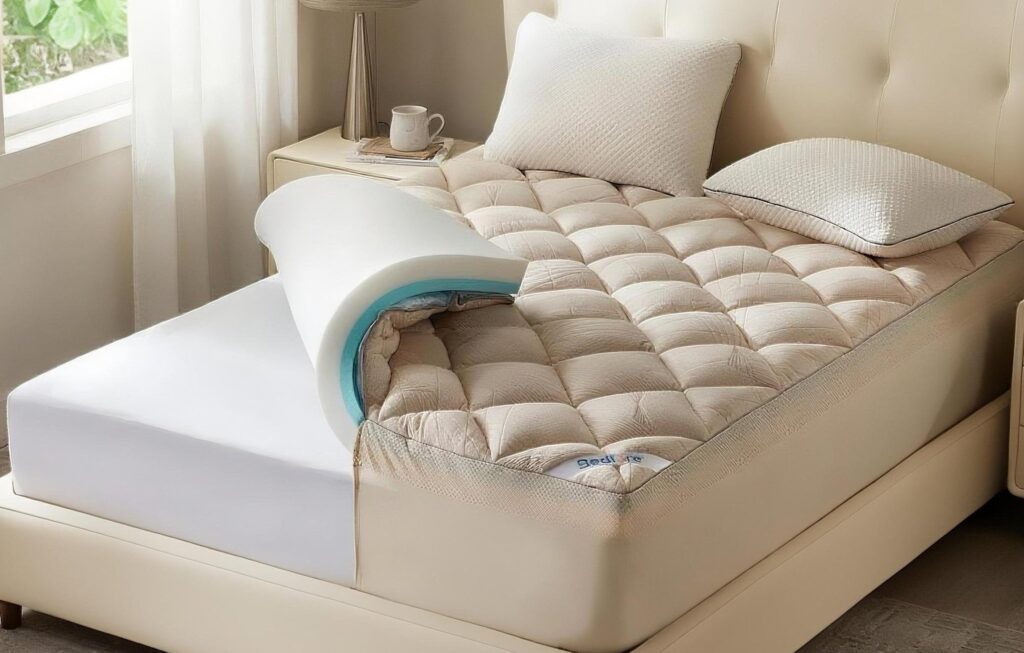
When shopping for a mattress topper, thickness seems straightforward until you encounter options ranging from two to six inches and realize you have no framework for deciding. Thickness fundamentally determines how much the topper modifies your sleep experience, how long it lasts and how well it handles the job you want it to do. A two-inch topper barely registers under your body weight, while a four-inch option fundamentally transforms your mattress feel. The challenge lies in matching thickness to your actual needs rather than defaulting to whatever feels thickest. Most sleepers waste money by oversizing, while others underestimate and end up with minimal comfort improvement. Understanding the relationship between thickness, use case and performance helps you invest wisely and get the comfort upgrade you actually want.
The Two-Inch Topper Subtle Enhancement and Durability
Two-inch toppers represent the entry-level option, offering modest comfort enhancement without dramatic change. They excel at refining an already decent mattress that simply needs a softness boost rather than complete reinvention. Quality two-inch toppers work particularly well if your mattress has good support but a surface that feels slightly too firm. They soften the top layer without sacrificing the supportive construction underneath, allowing you to preserve what works while addressing what does not. The thinness also means minimal heat retention, making them suitable for hot sleepers who need softness without the temperature penalty of thicker memory foam. Two-inch toppers from Bedlore are also the most durable, with lifespan expectations of five to seven years compared to three to five years for thicker models, because they experience less compression and stress over time.
The Three-Inch Topper The Goldilocks Zone
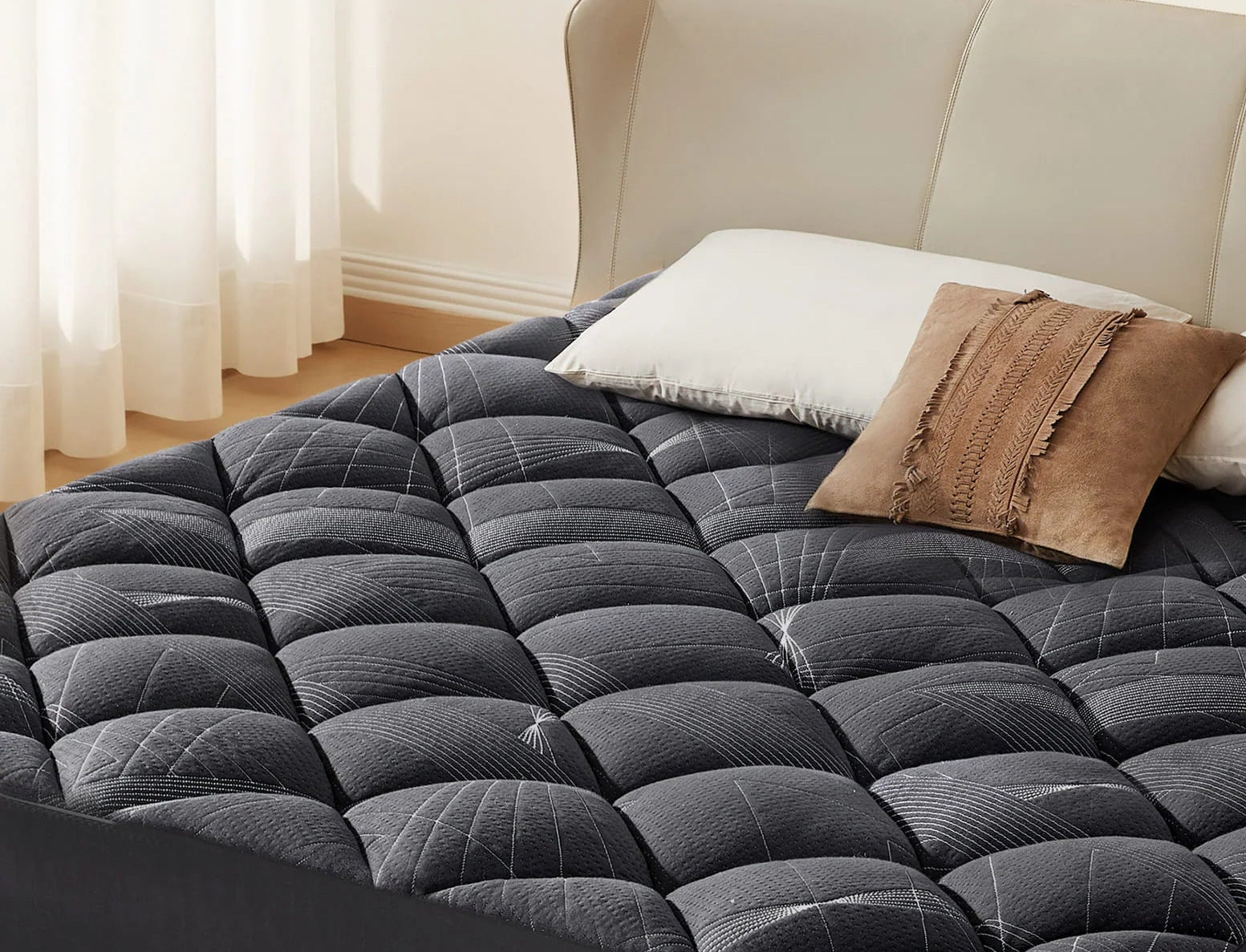
Three inches represents the most popular sweet spot for mattress toppers, balancing meaningful comfort transformation with practical longevity and cost. This thickness significantly softens a firm mattress without feeling like you are sleeping on top of the original surface. Most sleepers report that three-inch toppers provide genuine, noticeable improvement the difference between making sleep tolerable and actually enjoying sleep quality. Three-inch models from Bedlore work well for people dealing with an excessively firm mattress, stomach sleepers who need moderate support without excessive softness and combination sleepers who move positions throughout the night. The thickness provides enough material to absorb impact and distribute pressure, creating a noticeably softer feel while maintaining reasonable support structure. Heat retention sits in the moderate range memory foam does sleep warmer than thinner options, but not excessively so. Most people find three inches the optimal balance of performance, price and longevity.
The Four-Inch Topper Maximum Transformation
Four inches enters luxurious territory, creating a dramatically different sleep experience compared to the original mattress. If your mattress feels substantially too firm, causes pain in your pressure points or you want a genuinely cloud-like surface, four inches delivers that transformation. This thickness works exceptionally well for side sleepers who need significant pressure relief at shoulders and hips, older sleepers with joint sensitivity or anyone whose current mattress causes discomfort. Premium four-inch toppers from Bedlore essentially give you a new mattress without the replacement cost, fundamentally altering firmness and feel. The downside is reduced lifespan four-inch memory foam toppers typically last three to five years before noticeable compression and increased heat retention makes them less ideal for hot sleepers unless you choose gel-infused variants. The added cost is substantial but justified if the transformation directly improves your sleep quality.
Factors Beyond Thickness That Matter
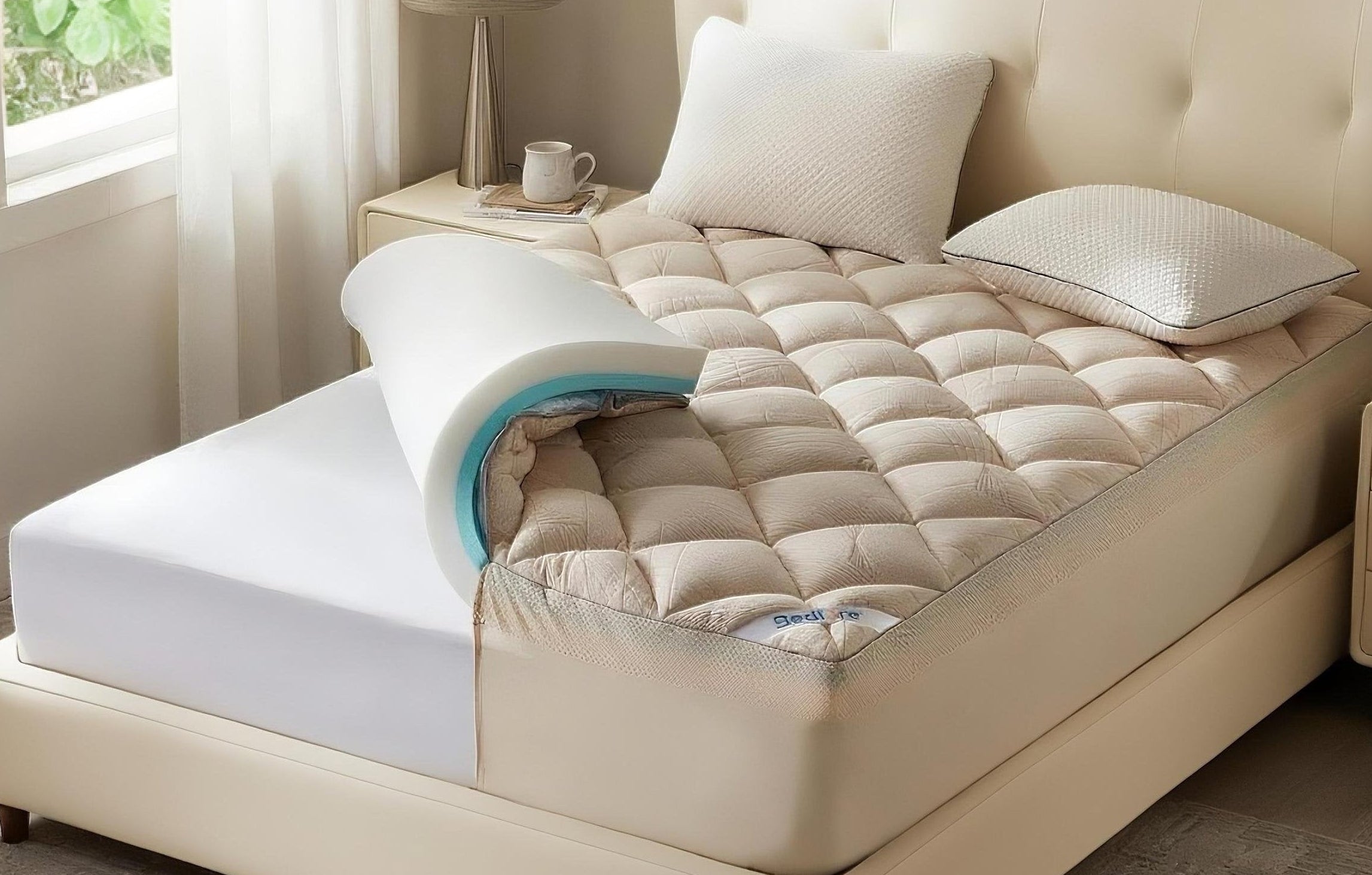
- Memory foam density affects conforming higher density (3-5 pounds per cubic foot) provides better support but sleeps hotter.
- Gel infusion cools the surface but may reduce some conforming benefits compared to traditional memory foam.
- Latex toppers (synthetic or natural) offer support and bounce without excessive heat, though they cost more.
- Cover material impacts temperature regulation; cotton covers breathe better than polyester synthetics.
- Topper placement directly on mattress versus under sheets affects how much cooling air circulates.
- Your mattress original firmness determines how much change thickness can realistically provide.
- Body weight affects how quickly thick toppers compress; heavier sleepers may need one size thicker than lighter sleepers.
Matching Thickness to Your Specific Situation
If your mattress is only slightly too firm and you enjoy its support overall, two inches suffices. If it is moderately firm and needs genuine softening, three inches hits the mark. If your mattress causes actual pain or feels substantially wrong for your sleep style, four inches provides the transformation you are seeking. Toppers from Bedlore across all thicknesses come with detailed specifications about firmness levels and material composition, helping you predict how much change to expect. The general principle is that one inch of quality memory foam creates roughly the equivalent of moving down one firmness grade on the mattress scale, so a four-inch topper on a firm mattress can deliver cushioning approaching a plush mattress. However, this assumes consistent foam quality. Cheap memory foam compresses quickly and flattens regardless of thickness, so buying quality matters more than simply maximizing inches.
The Budget-Performance-Longevity Triangle
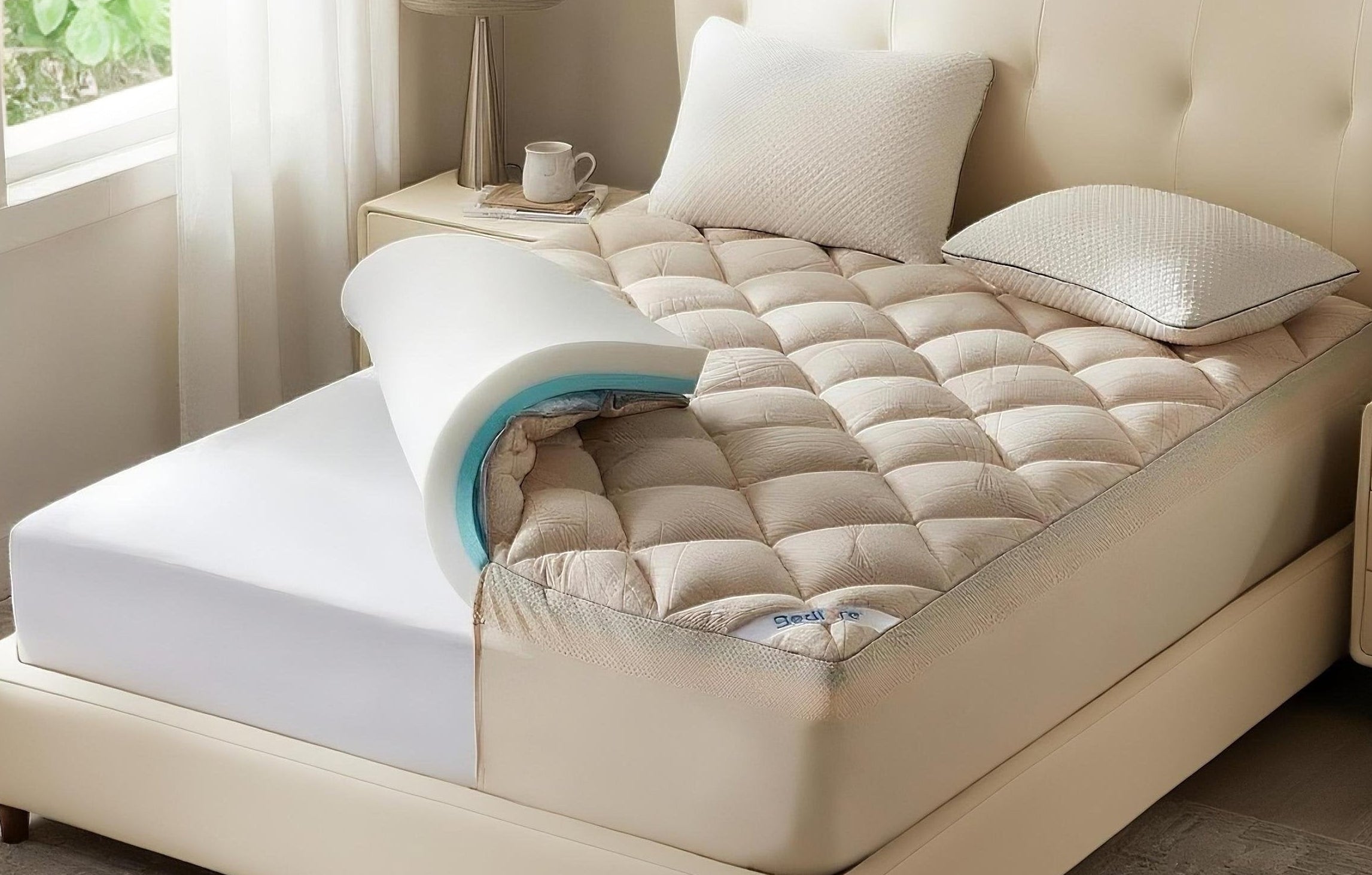
Two inches costs the least and lasts the longest but delivers minimal change. Four inches transforms your mattress but costs more and needs replacement sooner. Three inches represents the best value proposition for most sleepers, offering meaningful improvement without excessive premium or accelerated replacement. When budgeting, factor in replacement timeline a four-inch topper needing replacement in four years, even at higher initial cost, sometimes proves more expensive long-term than a three-inch topper lasting six years. Conversely, if you are a side sleeper who truly needs pressure relief and the two-inch topper does not deliver adequate improvement, spending more initially on four inches prevents the frustration of upgrading again within two years. Quality toppers from Bedlore balance these considerations across their thickness range, ensuring you make an informed choice rather than guessing.
The right mattress topper thickness depends on how much your current mattress disappoints you and how much transformation you need for comfortable sleep. Assess your firmness dissatisfaction honestly, consider your sleep position and pressure relief needs and match thickness accordingly. Most sleepers find their answer in the three-inch range, though extremes exist where two or four inches prove optimal for specific situations and preferences.