A garden storage structure serves as the backbone of outdoor organization, protecting everything from seasonal tools to bicycles and equipment. But before you commit to one for the next decade or more, you need to understand how different materials perform in real-world conditions, rain, frost, UV exposure and general wear. Wooden, metal, plastic and composite options each bring distinct advantages and trade-offs that affect durability, maintenance, aesthetic appeal and long-term cost. This guide walks you through each material type so you can match your garden’s needs and budget to the right choice.
Wooden Classic Beauty with Ongoing Care
Timber remains the garden standard, prized for its natural appearance and warmth. Real wood blends seamlessly into landscapes and weathers into charming greyish tones over time. Inside, timber is quieter than metal (rain doesn’t create that hollow drum effect) and provides natural insulation, keeping contents slightly warmer in winter. The catch wood demands regular maintenance. Annual treatment with stain, sealant or paint prevents rot and extends lifespan to 10–15 years if diligent, but neglected units deteriorate in 5–7 years. Timber also attracts woodworm and rot in persistently damp conditions. Cost-wise, wooden options sit mid-range. Explore Sheds wooden storage solutions for quality timber construction and reliable joinery.
Metal Low Maintenance and Rust Concerns
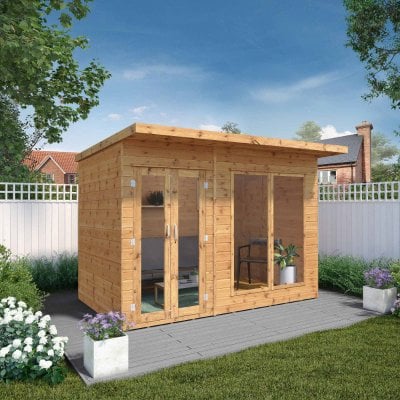
Steel and aluminium options eliminate wood rot and pest damage, offering minimal-maintenance storage. Metal construction is strong, resistant to woodworm and typically lasts 15–20 years with proper care. Rain slides off efficiently and assembly is usually straightforward. However, metal has drawbacks. Steel rusts if the protective coating is compromised, especially in coastal or humid climates. The interior echoes during downpours and metal offers poor insulation, contents can get cold or overheat seasonally. Rust treatment or repainting may be needed every few years depending on environment. These structures cost less upfront than quality timber but more than plastic alternatives. Check what Sheds offers in steel models for corrosion-resistant coatings and long-term durability.
Plastic Affordable and Worry-Free
Plastic (typically UV-stabilized polypropylene or polyethylene) options prioritize affordability and minimal upkeep. No painting, staining or rust prevention needed, just rinse occasionally. This material resists rot, woodworm and corrosion indefinitely. Plastic units are lightweight, portable and ideal for renters or gardeners hesitant about permanent installation. The trade-offs are real plastic lacks the aesthetic appeal of timber, feels flimsy in high wind, degrades under intense UV (becoming brittle over 10+ years) and offers no insulation. Plastic also doesn’t age gracefully, it yellows and becomes discoloured. Interior noise from rain rivals metal. These options suit budget-conscious buyers and temporary storage but won’t match a curated garden aesthetic. Browse Sheds plastic storage choices if low maintenance and affordability are your top priorities.
Composite Premium Option with Modern Benefits
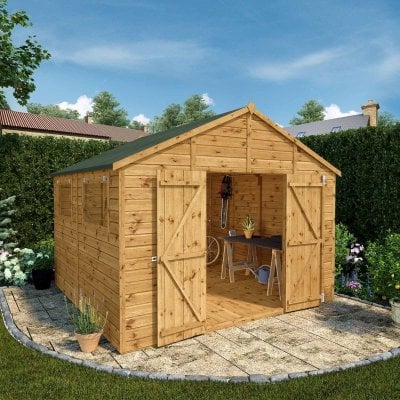
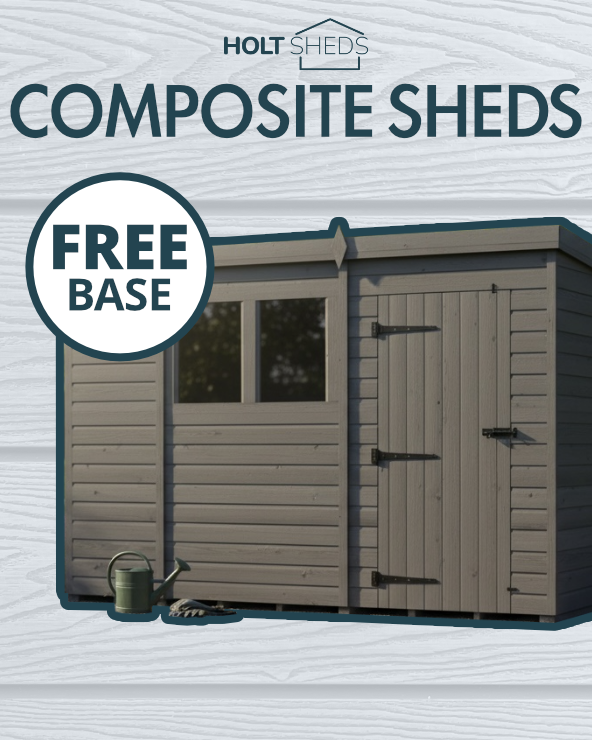
Composite materials, wood fibre blended with resin or plastic, combine the aesthetic of timber with durability closer to plastic. These units resist rot, warping and woodworm without annual staining or sealing. They weather gracefully, developing a patina rather than degrading visibly. Lifespan often exceeds 15–20 years with virtually no maintenance beyond occasional cleaning. The catch composite options cost significantly more upfront than wooden, plastic or metal alternatives. They’re heavier than plastic, making installation trickier for solo gardeners. Composite also tends to absorb surface dirt and algae in damp climates, requiring occasional pressure washing. For buyers prioritizing longevity and minimal fuss, composite represents the premium choice. Explore Sheds composite storage collections to see investment-grade options.
Comparison at a Glance
Here’s how the four materials stack up across key factors
- Timber offers natural beauty and reasonable insulation but demands yearly maintenance and faces rot and pest risks in damp environments.
- Metal provides strength and low maintenance yet risks rust in coastal areas and offers poor insulation and noise dampening.
- Plastic costs the least, requires no upkeep and resists rot but lacks visual appeal, degrades under UV exposure and provides no insulation.
- Composite delivers premium durability, wood-like aesthetics and maintenance-free operation but costs significantly more and may require occasional cleaning.
How to Choose
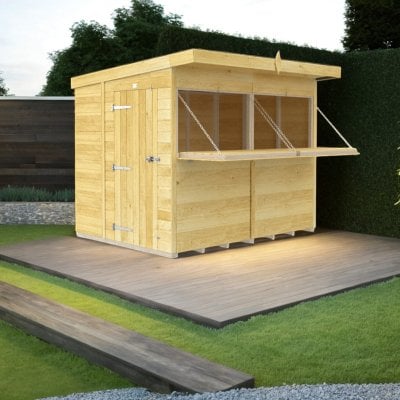
Your decision hinges on three questions. First, what is your budget? Plastic offers entry-level affordability; wood is mid-range; composite and quality steel command higher prices. Second, how much maintenance are you willing to do? If you dislike annual chores, skip timber; composite and plastic require negligible upkeep. Third, what matters aesthetically? Timber and composite blend into gardens naturally; metal and plastic stand out. Consider your climate too coastal gardeners should avoid untreated steel; those in dry regions can get away with plastic. Gardeners in perpetually damp climates benefit from composite’s rot immunity. For most UK gardeners balancing durability, cost and minimal maintenance, explore Sheds full range of garden storage options to find your fit. Size matters as well, a small 4×6 plastic unit may suffice for hand tools, while a large workshop-style structure justifies composite’s premium for years of reliable service.
Final Thoughts
No single material suits every gardener. Timber rewards the hands-on gardener who enjoys seasonal maintenance and prioritizes aesthetics; metal suits those wanting strength and durability on a modest budget; plastic fits gardeners renting or starting small; composite serves those ready to invest for decades of maintenance-free storage. Assess your garden’s microclimate, your tolerance for upkeep and your budget, then choose accordingly.