The action camera market has fragmented beyond recognition. You can no longer simply buy the best action camera; instead, you need the best action camera for your specific use case. XTRA 360, Edge Pro and Atto represent three distinct philosophies about what matters in compact video capture. One prioritizes immersive 360-degree recording, another focuses on traditional high-quality footage with advanced features and a third emphasizes portability and ease of use. None is objectively superior because superiority depends entirely on what you are actually filming and how you plan to use the footage. Understanding the core strengths and weaknesses of each camera eliminates guesswork and ensures you invest in a tool that genuinely serves your needs rather than buying based on brand name or popularity.
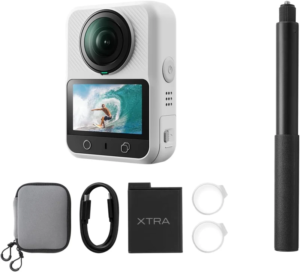
360-Degree Immersive Capture Perfect for Environmental Stories
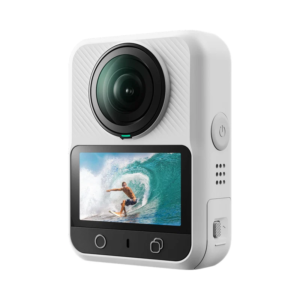
The first category stands apart through full-sphere recording capability, capturing 360-degree video that encompasses everything around you simultaneously. This technology excels when the environment matters as much as the action, making it perfect for panoramic travel footage, group activities where you want to see all participants and immersive first-person experiences that traditional single-perspective cameras cannot match. XTRA 360 handles underwater shooting, aerial drone footage and adventure sports where the surrounding environment contributes to the story. The downside is processing 360-degree video requires specialized editing software, consumes massive file sizes and platforms optimized for 360 content remain limited. If you upload exclusively to YouTube or Instagram, 360 video automatically converts to traditional rectangular formats, negating your immersive advantage. This option suits content creators who intentionally build distribution strategy around immersive recording and viewers who actively explore 360 footage on compatible platforms rather than passively watching traditional video.
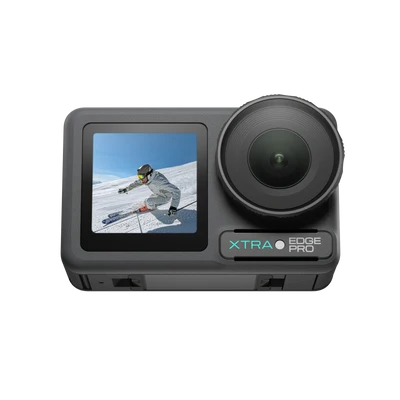
Edge Pro Professional Features and Traditional Quality
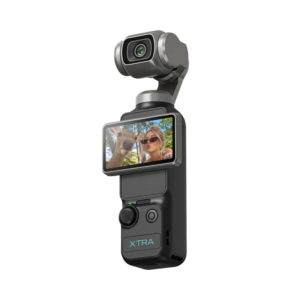
Edge Pro targets filmmakers and serious content creators who want traditional, high-quality footage with sophisticated controls. This camera typically offers 4K resolution at high frame rates, manual controls over exposure and color, advanced image stabilization and compatibility with standard video editing software. XTRA excels at producing polished, cinematic footage suitable for professional projects, YouTube channels emphasizing production quality and situations where the video itself is the primary deliverable. This design works beautifully for vlogging, product filming and situations where technical quality directly impacts audience perception. The trade-off is complexity manual controls require learning your camera, stabilization sometimes creates distinctive looks that don’t suit all content and the camera is slightly bulkier than minimalist alternatives. If you want camera control and understand how to use professional features, this delivers results. If you simply want to press record and let the camera handle everything, simpler options may frustrate you.
Atto Minimal Form Factor and Effortless Simplicity
Atto prioritizes radical simplicity through a form factor so compact it disappears into any bag or pocket. This camera strips away controls and complexity, focusing on immediate usability over customization. Press record and capture decent video without menus, settings adjustments or decisions. Atto suits casual creators, daily documentation, travel footage where you want to record memories without technical focus and situations where camera presence itself would be intrusive. This design trades resolution and advanced features for extreme portability and user-friendliness, making it ideal for people who want video capability without video expertise. The downside is inflexibility limited control means footage reflects the camera’s choices rather than your creative vision. In challenging lighting or complex scenes, simpler cameras sometimes underperform compared to those offering manual adjustment. If you prioritize simplicity and convenience over output quality, this is genuinely freeing. If you care deeply about how footage looks and want to shape that look, simpler design becomes a limitation.
Key Specifications and Performance Areas
- Resolution and frame rate 360 cameras compress resolution across the sphere; traditional cameras offer higher quality per frame.
- Stabilization technology all three offer it, but implementation varies from minimal to sophisticated, affecting final smoothness.
- Audio quality 360 and minimal designs sometimes sacrifice audio for size; professional models typically prioritize sound capture.
- Low-light performance cameras with larger sensors handle dim conditions better than ultra-compact designs.
- File size and storage 360 video demands massive storage; traditional and minimal cameras are more manageable.
- Editing software compatibility standard formats work everywhere; 360 requires specialized tools.
- Mounting options all three offer accessories, but 360 and professional designs integrate better with ecosystem add-ons.
Matching Camera to Your Actual Filming Situation
If you bike, dive or engage in sports where immersive perspective enriches the experience and you actively use 360 platforms or share internally, 360 capture makes sense. If you produce YouTube content, vlogs or professional footage where image quality directly impacts audience reception, professional-grade design delivers the technical foundation for that work. If you simply want to record moments without fuss, Atto eliminates complexity entirely. The trap most buyers fall into is purchasing a powerful camera for passive recording or a simple camera while expecting professional results. Honest evaluation of how you actually film, not how you imagine filming, determines which camera serves you best. Review footage from each option in situations matching your real use cases, not in marketing clips shot by professionals under ideal conditions.
Long-Term Investment and Ecosystem
Action cameras mature quickly. Technology that seems cutting-edge becomes standard within eighteen months. Rather than investing heavily in the most advanced option, buy the camera matching your current needs and upgrade when that camera genuinely becomes limiting. XTRA 360 capture suits creators committed to immersive content; abandoning spherical video means losing years of developed skills and content strategy. Professional design appeals to those building video portfolios; the traditional format ensures your work remains accessible forever. The minimal option makes sense as a no-commitment entry point; upgrade to something more capable once you understand what matters to you in footage. The worst investment is overspending on features you never use or buying simplicity when you actually want control.
The right action camera depends on your specific workflow, distribution platform and creative goals. Comparing spreadsheet specifications misses the point entirely; the best camera is the one you actually use consistently and that produces results matching your needs.