
After months of dedicated exercise and careful nutrition, you step on the scale expecting to celebrate a major milestone. Instead, you discover the number hasn’t changed or worse, it’s increased. Your clothes fit better, you look leaner, your energy has improved, yet the scale stubbornly refuses to acknowledge your progress. This frustrating scenario illustrates a fundamental truth about weight loss that most people don’t understand the number on the scale tells an incomplete and potentially misleading story about your health and fitness transformation. Renpho reveals why scales can be unreliable guides to genuine progress.
The Limitation of Weight as a Sole Metric
Weight measures only total mass, combining muscle, fat, bone, water, organs and everything else that makes up your body. When someone loses 40 pounds of fat while simultaneously building 20 pounds of muscle through exercise, the scale shows a net change of 20 pounds lost, an achievement worth celebrating. However, if someone maintains their starting weight after losing 40 pounds of fat and gaining 40 pounds of muscle, the scale shows zero progress, which is deeply misleading. The person’s body composition has transformed dramatically they’re stronger, healthier and look completely different, yet the scale registers no change. This disconnect explains why many people become frustrated with weight loss plateaus despite clear progress in measurements, fitness performance and appearance.
What Is Body Composition and Why It Matters
Body composition refers to the proportion of your body weight that comes from fat versus muscle and other lean tissue. Two people weighing identical amounts can look completely different based on their body composition. Someone at 200 pounds with 30% body fat looks and feels dramatically different from someone at 200 pounds with 15% body fat. The second person is stronger, has more functional fitness capacity and typically experiences better health outcomes. Body composition changes matter far more than absolute weight for predicting fitness, strength and metabolic health. Renpho provides the meaningful information that weight alone cannot reveal.
How Muscle Weighs More Than Fat

A critical fact that most people underestimate muscle tissue is denser than fat tissue, meaning identical volumes of muscle and fat weigh different amounts. One pound of muscle occupies less space than one pound of fat. During effective weight loss combined with strength training, people often lose fat (measured in volume as inches from waist, hips and other measurements) while gaining muscle. The net weight change might be small or even show a slight weight gain, while the visual transformation is dramatic because muscle is compact and creates a more defined appearance. This explains why fit individuals sometimes weigh more than they expect, their weight includes significant muscle mass that takes up minimal physical space compared to the fat weight of someone at the same scale reading.
Recognizing True Progress Beyond the Scale
Several measurements and observations indicate genuine progress independent of weight change. Here are the key indicators that show real body composition improvement Renpho
- Clothing fit improvements, wearing smaller sizes despite weight plateaus signal actual body composition change and decreased fat.
- Strength increases, such as lifting heavier weights or performing more repetitions, demonstrate that muscle-building is occurring.
- Endurance improvements like running faster or longer reflect improved fitness capacity and cardiovascular adaptation.
- Body measurements of specific areas like waist, hips, chest and arms often decrease even when weight stays constant.
- Mirror changes, where muscular definition increases and body shape improves, provide visual confirmation that transformation is happening.
Energy Levels and Performance Improvements
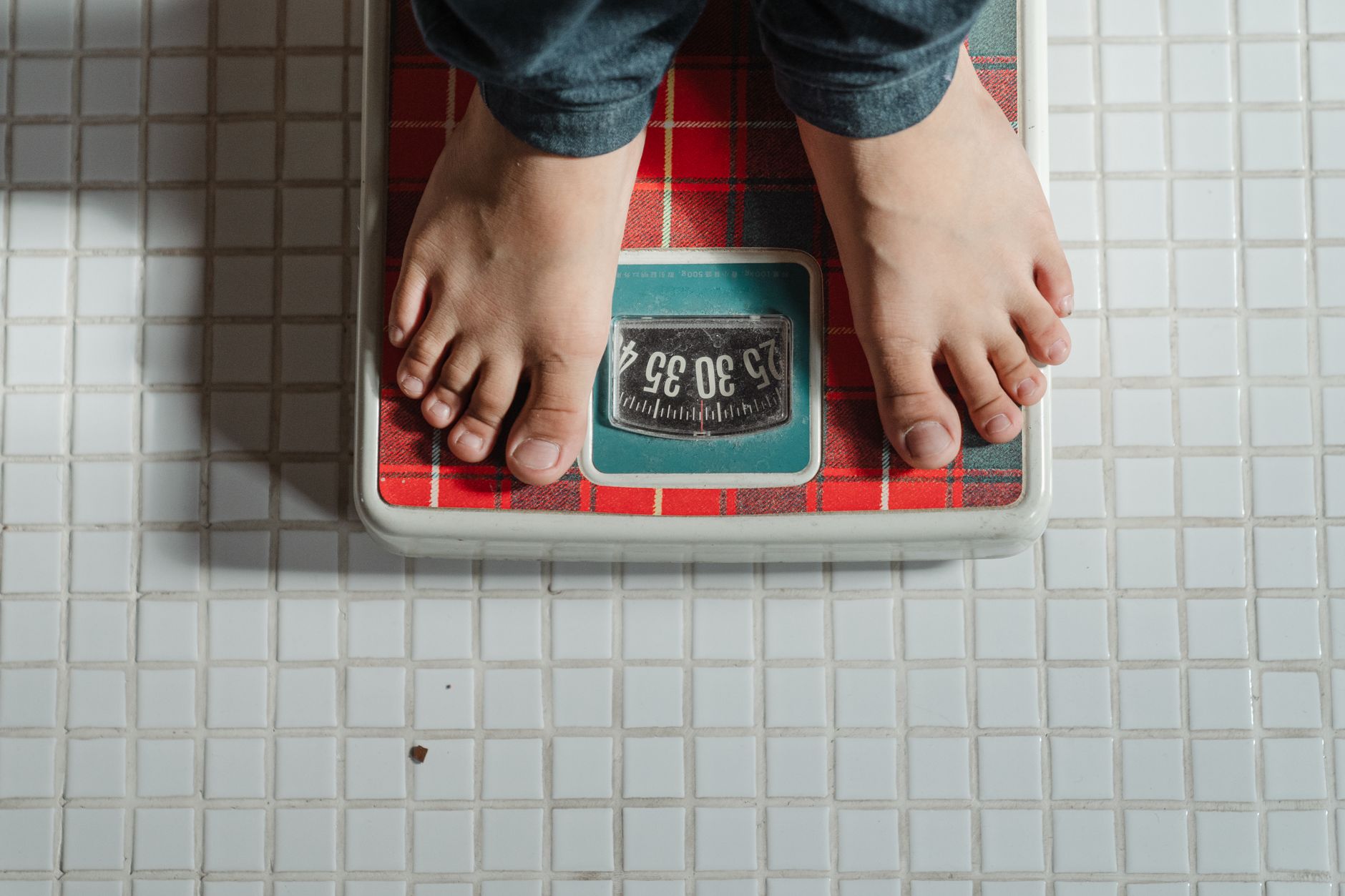
Beyond physical changes, genuine fitness progress manifests in how you feel and perform. Energy levels typically increase during periods of positive body composition change, even if the scale remains stable. Sleep quality often improves as fitness increases and body composition shifts toward more muscle. Recovery between workouts accelerates because better-conditioned bodies bounce back faster from training stress. Performance metrics like how long you can hold a plank, how many pushups you complete or how fast you run a mile all improve during periods of body composition improvement. Renpho captures these important changes that scales miss entirely.
When Weight Changes and Body Composition Changes Align
Weight loss becomes most dramatic when fat loss exceeds muscle gain, which occurs during the initial phases of exercise programs before significant strength training effects accumulate. Beginners combining calorie reduction with new exercise typically see both weight loss and body composition improvement simultaneously. However, as fitness improves and bodies adapt, weight loss often slows while body composition continues improving, creating apparent plateaus where progress is still occurring beneath the surface. Advanced fitness enthusiasts and athletes often maintain stable weight while making significant body composition gains because their training creates substantial muscle growth that offsets fat loss. Renpho
Building a Sustainable Perspective on Progress
Focusing exclusively on weight creates psychological pitfalls that undermine long-term fitness success. People become discouraged by plateaus despite visible progress, potentially abandoning effective programs unnecessarily. Obsessive weight tracking can distract from genuine health improvements and sustainable lifestyle habits. Conversely, understanding body composition shifts perspective toward meaningful progress indicators that better reflect actual fitness and health. This reframing encourages continuation of effective exercise programs even during periods of weight stability, because other metrics clearly demonstrate ongoing improvement.
The scale serves a purpose, but its limitations must be understood. Weight provides one data point among many that together tell the story of genuine health and fitness progress. When you lose 40 pounds of fat while gaining muscle, you’ve achieved something remarkable even if the scale barely moves. Celebrating non-scale victories, increased strength, improved measurements, better clothing fit, enhanced energy, acknowledges real progress and maintains motivation for sustainable lifestyle changes. Understanding body composition transforms frustrating weight plateaus into recognizable signs of successful fitness training and genuine health improvement.