Dark spots and hyperpigmentation challenge millions of people with Indian skin tones, where melanin production often leads to stubborn discoloration. Three ingredients dominate the conversation around brightening treatments kojic acid, vitamin C and niacinamide. Each carries scientific backing and distinct mechanisms, yet their effectiveness varies based on skin type, climate and individual genetics. This comparison helps you determine which ingredient best addresses your specific dark spot concerns and skin condition.
Kojic Acid The Enzyme Inhibitor
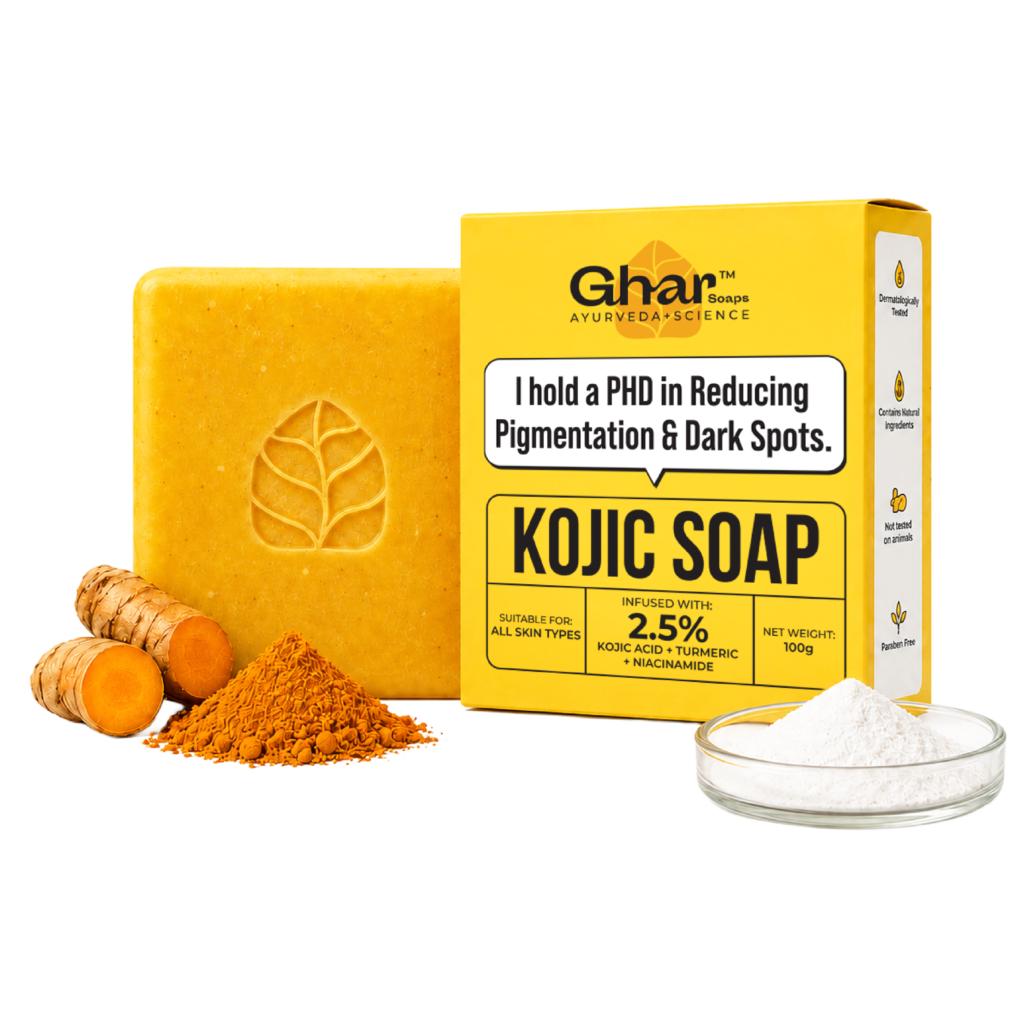
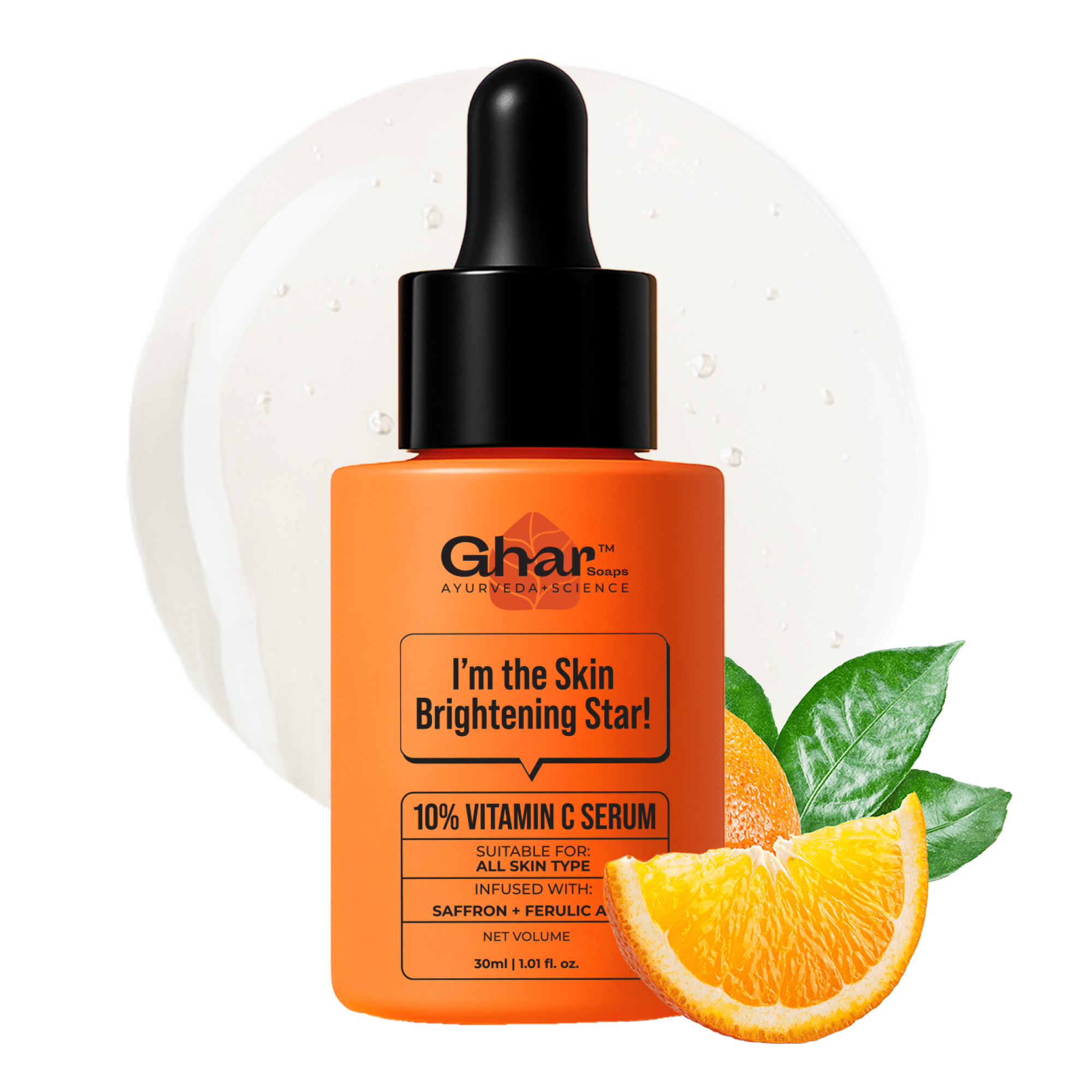
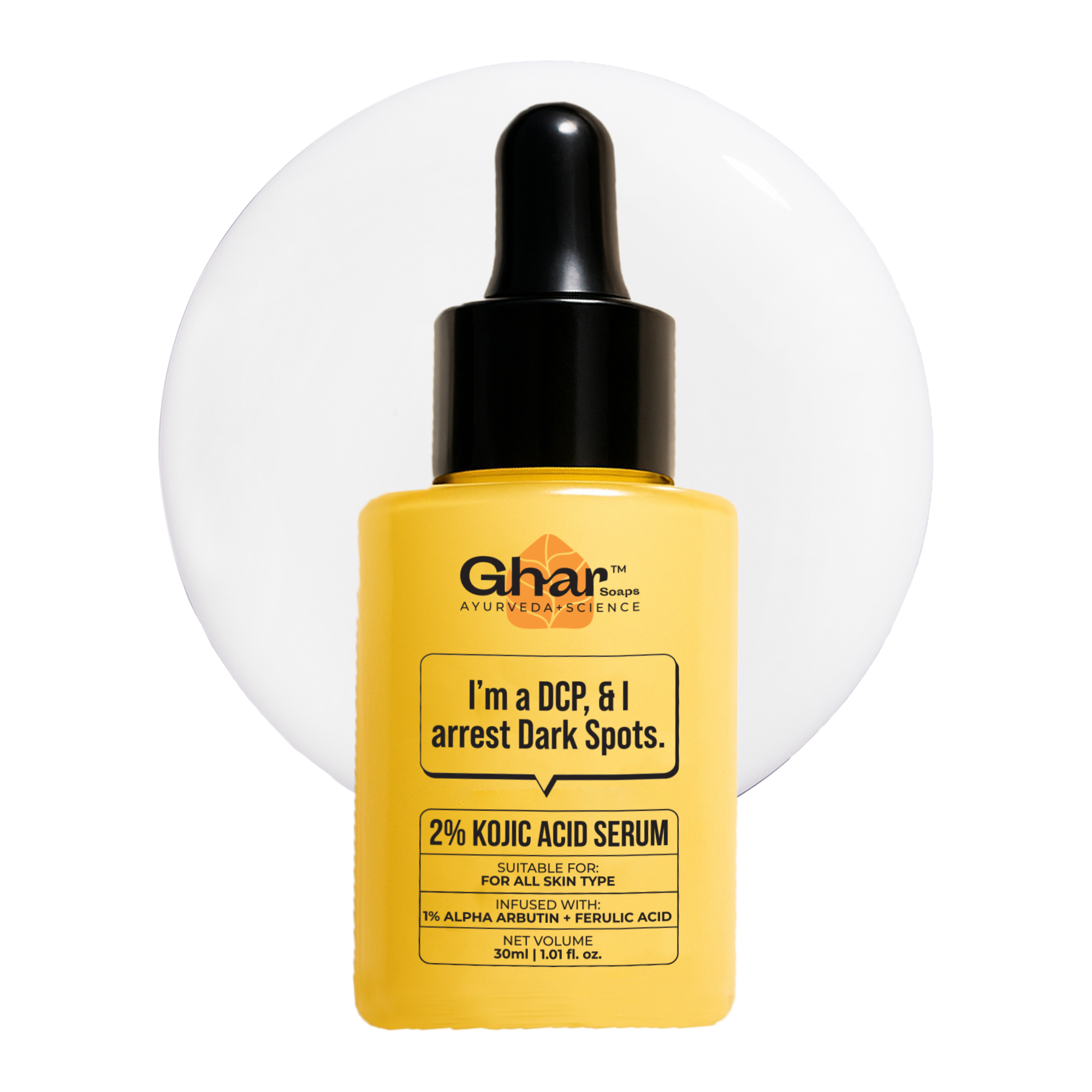
Kojic acid works by inhibiting tyrosinase, the enzyme responsible for melanin production. Derived from fungi and fermented foods, this ingredient reduces dark spots by preventing the chemical cascade that creates pigmentation. For Indian skin, kojic acid offers gentle effectiveness with lower irritation potential than some alternatives. Ghar Soaps incorporates kojic acid into formulations designed for melanin-prone skin types, recognizing that traditional brightening approaches often overlook the specific needs of darker skin tones.
The strength of kojic acid lies in its photostability and compatibility with other actives. Unlike some brightening agents, it remains effective under sun exposure and works synergistically with supporting ingredients. However, results appear gradually, typically requiring 4-12 weeks of consistent use before noticeable lightening emerges. For those with sensitive skin prone to irritation, kojic acid presents a lower-irritation gateway into active brightening treatments.
Vitamin C The Antioxidant Powerhouse
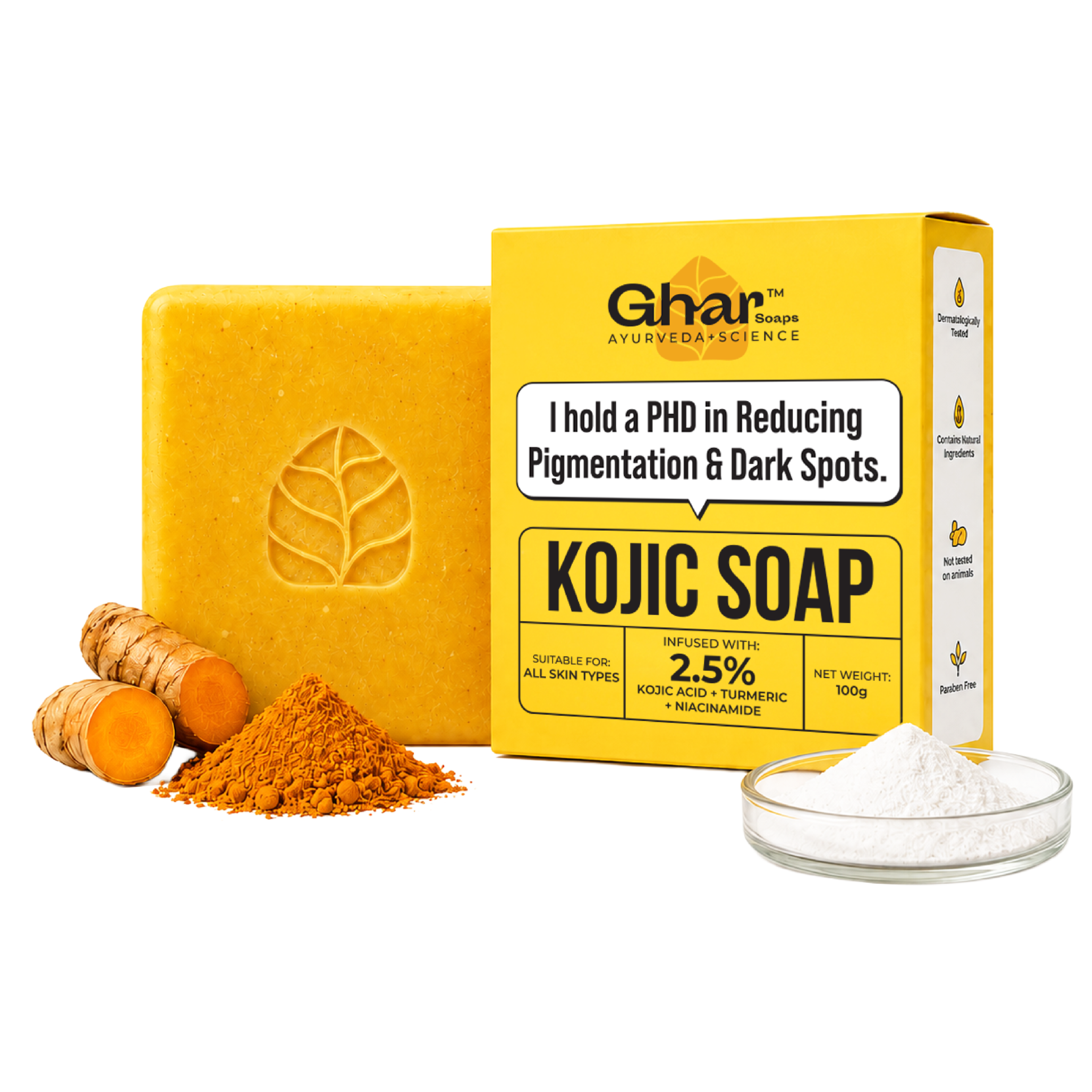
L-ascorbic acid (vitamin C) tackles dark spots through multiple pathways direct melanin inhibition, antioxidant protection and collagen synthesis stimulation. This multi-action approach makes it popular in professional skincare routines. Ghar Soaps formulates vitamin C at concentrations and pH levels optimized for penetration and stability, crucial factors determining whether the ingredient actually reaches skin cells.
Indian skin often responds rapidly to vitamin C, with some users reporting visible fading within 2-3 weeks. The ingredient also fortifies skin against future sun damage and environmental stressors, offering preventive benefits alongside active spot treatment. Stability remains the primary challenge vitamin C degrades quickly when exposed to air and light, explaining why professional formulations cost more and demand careful storage. High-quality vitamin C serums deliver pronounced results for dark spots, though they carry higher irritation potential for sensitive skin, particularly in tropical climates where heat accelerates oxidation.
Niacinamide The Balancing Agent
Niacinamide (vitamin B3) operates differently from enzymatic inhibitors and antioxidants. This ingredient regulates sebum production, strengthens the skin barrier and gently reduces hyperpigmentation without aggressive action. For people living in humid climates or managing combination skin alongside dark spots, niacinamide offers balanced brightening without the irritation spike that stronger actives trigger. Ghar Soaps integrates niacinamide into accessible formulations, recognizing that sustainable skincare requires ingredients that work with your skin’s natural biology rather than against it.
The standout advantage of niacinamide lies in its compatibility with virtually every other skincare ingredient. You can layer it confidently with retinoids, acids and other actives without worrying about destabilizing formulations. Results appear gradually, typically 6-8 weeks, but the trajectory remains steady and gentle. Niacinamide particularly suits those managing rosacea, acne-prone skin or inflammatory conditions alongside hyperpigmentation, as it calms while brightening.
Comparative Performance on Indian Skin
Effectiveness ranking depends on your specific situation. Kojic acid wins for those prioritizing gentleness and seeking their first active brightening ingredient. Vitamin C tops the list for rapid, visible results on committed users who can maintain proper application and storage protocols. Niacinamide excels for long-term sustainability and compatibility with other treatments. Many dermatologists recommend combining these ingredients strategically vitamin C in the morning for antioxidant protection, niacinamide in serums for daily use and kojic acid in targeted spot treatments for concentrated care. Ghar Soaps products often blend these ingredients thoughtfully, allowing your skin to benefit from multiple mechanisms simultaneously.
Selecting Based on Your Skin Profile
- Sensitive skin or first-time users Start with niacinamide or kojic acid to build tolerance gradually.
- Oily or acne-prone skin Niacinamide reduces breakouts while brightening; pair with vitamin C for enhanced results.
- Dry or mature skin Vitamin C stimulates collagen alongside spot fading; add niacinamide for barrier support.
- Combination skin in humid climates Kojic acid and niacinamide work harmoniously without excessive shine.
- Committed to maximizing results Use all three in a strategic routine across morning and evening applications.
Implementation and Timeline Expectations
Dark spots fade through consistent application over weeks and months, not days. Begin with a single active ingredient to establish baseline tolerance, then layer additional ingredients once your skin adapts. Sunscreen becomes non-negotiable when using brightening actives; UV exposure stimulates fresh pigmentation and undermines treatment progress. Ghar Soaps formulations recognize this reality by pairing actives with skin-supportive botanicals and stable delivery systems. Patience, consistency and sun protection determine success more than the ingredient itself. Monitor progress through monthly photos rather than daily mirrors, as subtle lightening accumulates into striking transformation over three to six months.
The right ingredient for your dark spots exists within these three proven options. Your skin’s sensitivity, climate and commitment level guide the selection. With informed choices and dedicated application, visible improvement emerges reliably.