
Delays happen. Cancellations happen. Overbooking happens. When your flight goes wrong, you face unexpected costs, hotel rooms, meals, rebooking fees and the airline may offer nothing more than an apology. This is where travel insurance steps in. But coverage varies wildly and knowing what your policy actually pays before disaster strikes can save you hundreds or even thousands of dollars.
Flight Delay Coverage When Hours Mean Money
A flight delayed 12 hours can cost you a full day, a missed connection or an extra night in a hotel. Most comprehensive travel insurance policies cover delays, but the specifics matter. Typical coverage kicks in after a delay of 12 to 24 hours and reimburses expenses like accommodation, meals and ground transportation directly related to the delay. Travel insurance providers like Faye often cover – per delayed flight, depending on your policy tier and the delay length. Some policies reimburse actual expenses; others pay a fixed amount. Read the fine print policies may exclude delays caused by mechanical issues, which technically means the airline, not your insurer, bears the cost. However, some policies cover mechanical failures, so the distinction matters when you compare options.
Flight Cancellation Your Lifeline to Refunds and Rebooking
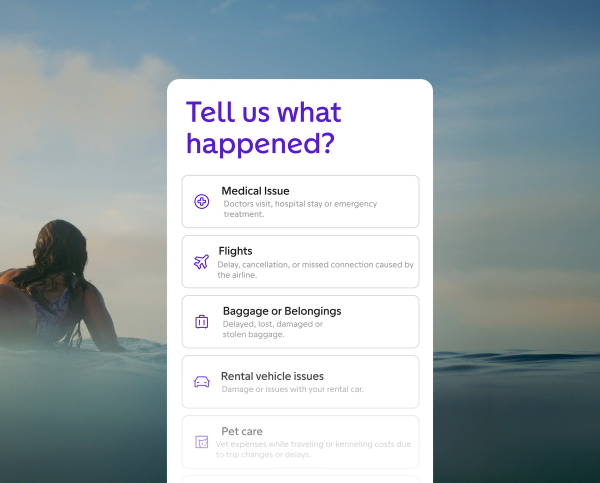
When an airline cancels your flight, you have legal rights, but they vary by location and circumstances. In the US, airlines must offer a refund or rebooking at no cost. The EU goes further, mandating – in compensation for cancellations within their jurisdiction. Travel insurance amplifies these rights by covering expenses beyond what airlines pay. If your airline offers a voucher but you need a hotel and meals while waiting for the rebooking, Faye travel insurance covers those additional costs. Many policies also reimburse non-refundable trip expenses, airfare, tours, accommodation, if a covered event like illness or family emergency forces you to cancel before the cancellation happens. For flight cancellations initiated by the airline, coverage typically includes rebooking on alternative flights, hotels if stranded overnight and meal allowances. Faye and similar providers often cap these benefits at – depending on your trip cost.
Overbooking When Airlines Need Empty Seats
Airlines overbook flights to account for no-shows, but sometimes everyone shows up. When that happens, airlines offer travel vouchers, cash or a combination to volunteers who give up their seats. If involuntarily bumped, you’re entitled to compensation, – in the US, depending on flight length and rebooking time. Travel insurance doesn’t typically replace airline compensation since you receive it directly, but it bridges the gap if rebooking strands you for hours or days. A comprehensive travel insurance policy covers meal vouchers, hotel rooms and ground transport while waiting for the next available flight. The policy also covers non-refundable trip costs if you need to cancel due to overbooking complications. Overbooking is rare but disruptive; having insurance ensures you’re covered for the cascading costs that follow involuntary bumps.
What’s Not Covered The Limitations to Know
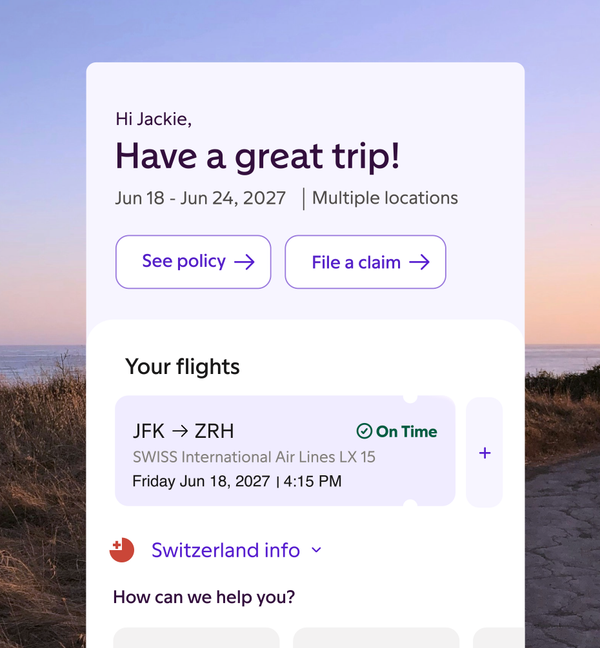
Travel insurance does not cover everything. Most policies exclude incidents you knew about before purchasing, if your flight was already delayed when you bought the policy or if bad weather was forecast, many insurers won’t reimburse you. Policies typically exclude claims from strikes, civil unrest or pandemics if they were publicly known at the time of purchase. Some policies exclude coverage if you purchase insurance after booking your trip, usually requiring purchase within 14 days of your initial trip payment. Airline bankruptcies are covered under some policies but not others, so check your terms carefully. When researching coverage with travel insurance providers, ask explicitly about mechanical delays, airline strikes and weather-related cancellations, since these cause the most frequent disputes.
Key Coverage Factors Before Purchasing
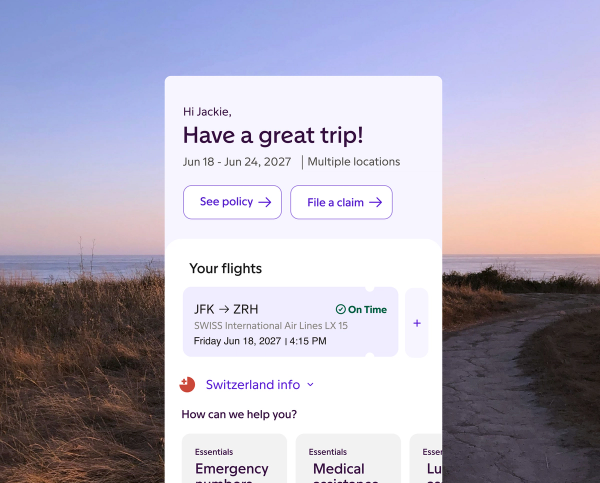
Understanding what affects your coverage decision helps you choose the right policy. Consider these factors
- Trip cost determines your coverage ceiling, so expensive trips justify higher-tier policies.
- Travel dates matter because pre-existing conditions and known disruptions usually exclude coverage.
- Destination risk affects premium costs, regions prone to weather or political instability cost more.
- Age can impact eligibility, since some policies exclude travelers over 65 or 70.
- Pre-existing medical conditions may be excluded unless you purchase coverage within 14 days of deposit.
Travel insurance seems expensive until a flight cancels and you’re out for non-refundable accommodations. A typical annual travel insurance policy costs – depending on trip length and coverage limits. A single claim, say, a cancelled flight requiring a new international flight at premium rates, easily exceeds this cost. Even a short delay covering hotel and meals can exceed The math works spend on insurance and recover on a cancellation. The decision becomes easier if you’re booking expensive trips, traveling during peak season when rebooking is hardest or visiting destinations with weather risks. Budget travelers on short trips may find basic coverage sufficient; business travelers and those booking luxury trips should prioritize comprehensive plans with high coverage limits. Compare travel insurance plans to ensure your coverage matches your trip value and risk tolerance.
Making the Right Choice
Travel insurance protecting flight delays, cancellations and overbooking situations gives you financial peace of mind and practical support when travel goes wrong. The key is understanding what your policy covers, what it excludes and how much you’ll actually receive in a claim. Check if your credit card already includes travel protection, many premium cards offer flight delay and cancellation coverage as a cardholder benefit, reducing your need for standalone insurance. If booking an expensive trip or traveling internationally, standalone coverage is worth the cost. Buy within 14 days of your initial trip deposit to avoid exclusion clauses. Review your policy before traveling so you know the claim process and coverage limits. When your flight is cancelled and you’re standing in an airport, you’ll be grateful you invested in coverage.