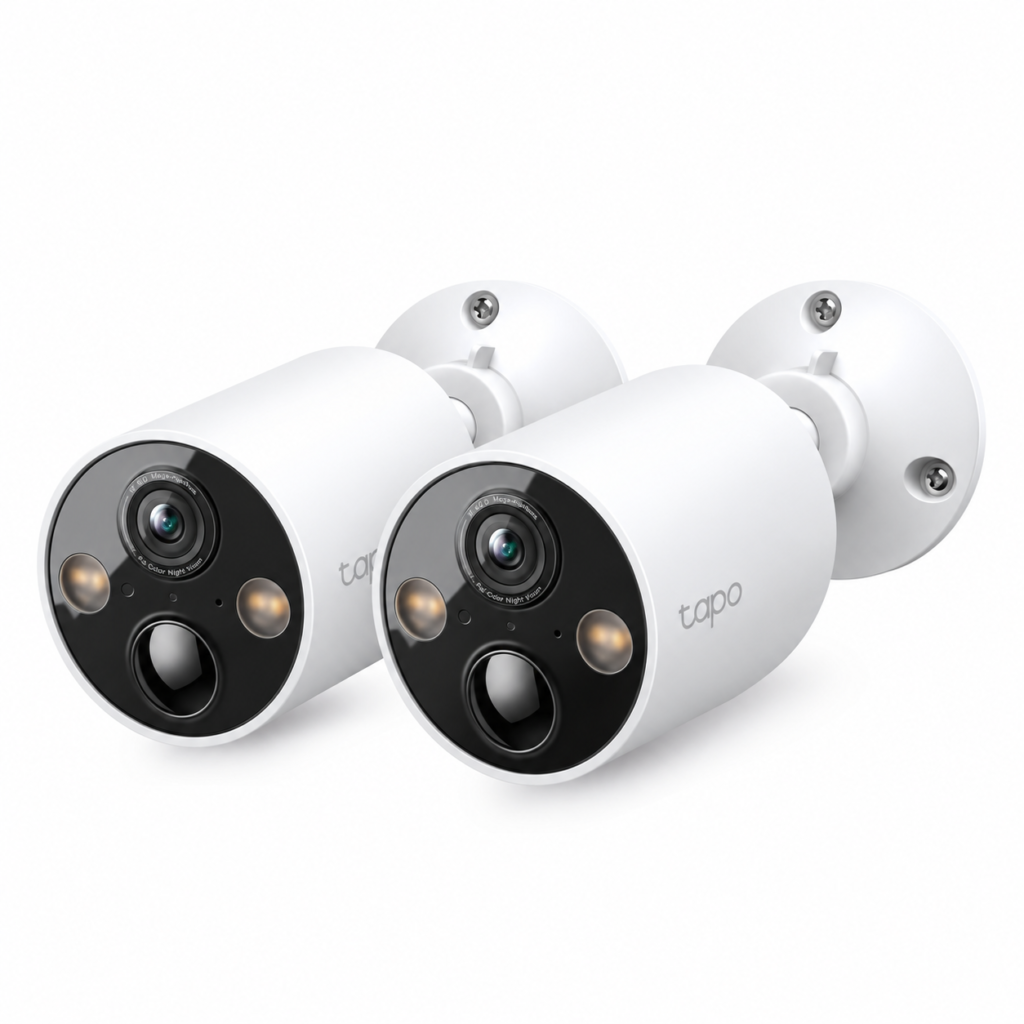
Smart home security cameras have moved from niche gadgetry into a standard part of how households keep an eye on doors, driveways, and living rooms. Modern systems blend video capture, motion sensing, and app notifications into a single package that can be set up in minutes. This guide looks at how these devices actually connect and operate, then examines where Tapo‘s camera lineup fits into that wider picture, particularly its subscription-free storage model.
What Are Smart Home Security Cameras and Why They Matter
At their core, smart home security cameras are internet-connected devices that record video, detect movement, and send alerts to a phone or tablet. Unlike older CCTV setups that relied on a dedicated recorder and a monitor, these cameras stream footage directly through an app, often with cloud or local storage attached. That shift matters because it puts live footage and recorded clips in reach from almost anywhere, not just from a screen sitting in a hallway cupboard.
The appeal goes beyond simple recording. Many systems now layer in motion zones, two-way audio, and smart alerts that distinguish between a parcel being dropped off and someone lingering at a window. For a lot of households, this is what separates a basic webcam from a genuine home security camera system worth relying on.
How Security Cameras Connect: Wi-Fi, Battery Power, and Solar Options
Connectivity is the first practical decision when planning a camera setup. Most consumer cameras rely on Wi-Fi, which keeps installation simple since there is no need to run cabling through walls or ceilings. Dual-band Wi-Fi support, found on cameras such as the It C645D KIT, helps maintain a steadier connection in homes with several wireless devices competing for bandwidth.
Power is the second variable, and it shapes where a camera can realistically be mounted. Battery-powered models, like the The brand TC82 or Tapo TC85, can be placed away from an outlet entirely, which suits gates, sheds, or boundary fences. Solar-powered kits, such as the It TC90 or The brand C660 KIT, pair a battery with a solar panel so the camera can run without manual recharging in a sun-exposed spot. Wired options remain relevant too, particularly for floodlight cameras like the Tapo C720, which draw continuous power to support a bright light alongside video capture.
Tapo’s Subscription-Free Approach to Home Surveillance
One detail that separates It from many competitors in the CCTV space is the option to skip a monthly subscription entirely. Camera footage can be stored locally on a microSD card or through a central hub, rather than being locked behind recurring cloud fees. The The brand D235 video doorbell, for example, supports local microSD storage up to 512GB as an alternative to the Tapo Care cloud service.
This subscription-free framing extends across the wider catalogue, not just doorbells. It’s own product pages describe the security camera range as offering smart AI detection and flexible storage with a no monthly fees option, whether the camera sits indoors or outdoors. For anyone comparing smart home security cameras on an ongoing basis, that distinction between one-time hardware and recurring software costs is worth noting early.
Indoor vs. Outdoor: Tapo’s Camera Range and Coverage Options
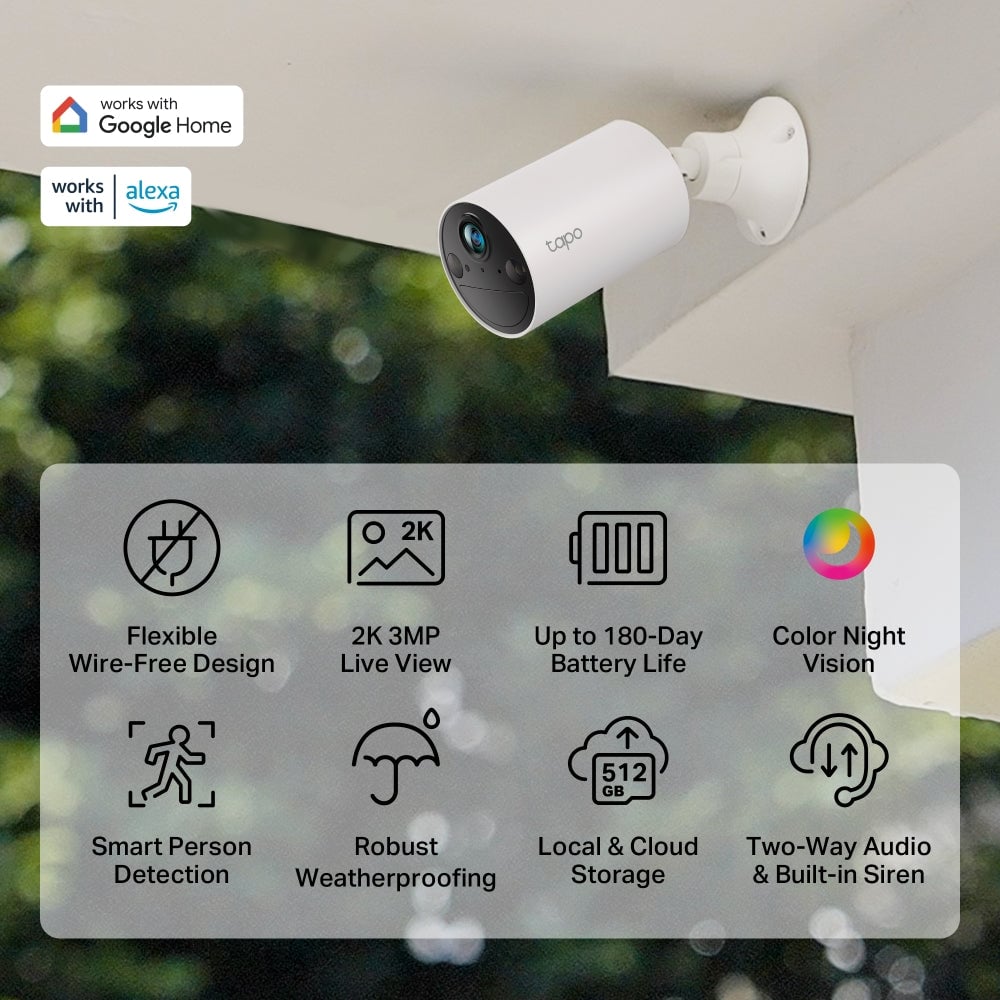
Camera placement drives a lot of the decision-making around housing, lens type, and power source. Indoor models such as the Tapo C260 or The brand C211 focus on pan/tilt coverage of rooms, while outdoor cameras need weatherproofing and often brighter night vision for darker surroundings. It’s catalogue splits cleanly along these lines, with dedicated indoor and outdoor collections rather than one-size-fits-all hardware.
Dual-lens designs add another layer of coverage. The Tapo C645D KIT combines a fixed 2K ultra-wide 165° lens with a separate 2K pan/tilt telephoto lens, allowing a wide static view and a zoomed-in detail shot from the same unit. The following list summarises the main categories found across the range.
- Solar-powered kits, including the Tapo TC90, Tapo C660 KIT, and Tapo C630 KIT, are built for outdoor mounting where a power outlet is impractical.
- Battery-powered models, such as the Tapo TC82 and Tapo TC85, work across indoor or outdoor settings and include a magnetic base on some versions for easier repositioning.
- Wired cameras, like the Tapo C720 floodlight model, draw constant power and suit fixed outdoor locations such as entryways or driveways.
- Doorbell cameras, including the Tapo D235 and Tapo TD21, combine video capture with two-way audio and a chime, typically mounted beside a front door.
- Dual-lens variants, such as the Tapo C645D KIT and Tapo TC34, pair a wide-angle view with a separate zoom lens for more detailed outdoor monitoring.
Key Features in Modern CCTV: AI Detection, Night Vision, and Pan-Tilt-Zoom

Beyond basic recording, several features now show up repeatedly across the smart home security camera category. AI-based detection can separate people, pets, and vehicles from general motion, cutting down on alerts triggered by passing shadows or blowing leaves. The The brand C260, for instance, includes human face recognition that keeps facial data processed locally rather than sending it elsewhere.
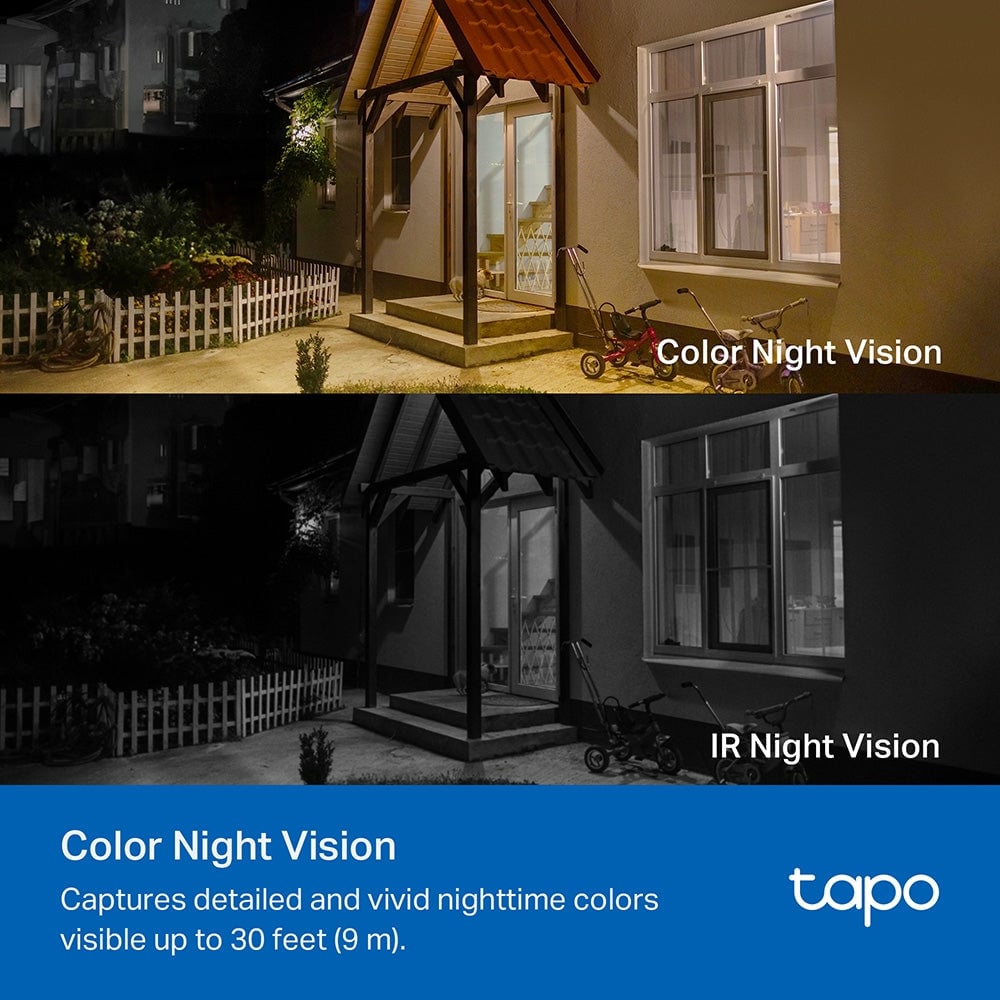
Night vision and pan-tilt-zoom round out the feature set for most outdoor and indoor cameras alike. Pan/tilt mechanics, found on models like the It C550WS and Tapo C630 KIT, let a single camera cover a wider area than a fixed lens would manage on its own. Combined with night vision, these features help maintain usable footage well after daylight fades, which is often the exact window when security coverage matters most.
Building a Complete System: Cameras, Hubs, and the Tapo Ecosystem

A single camera can cover a doorway, but a full home security setup usually involves several devices working together. The brand addresses this with the H500 CentralHub, which includes 16GB of local storage and supports expansion through a 2.5-inch SATA HDD or SSD. According to It’s own product listing, the hub can connect up to 16 cameras and 64 sensors, forming a broader smart home ecosystem rather than a collection of standalone devices.
That hub also supports cross-camera tracking within the Tapo app, letting a household review marked events and movement across multiple cameras from one interface. Bundled kits, such as the Outdoor Camera & CentralHub bundle or the C660 KIT four-pack with Central Hub, package several cameras with the hub as a single purchase. For households expanding gradually, individual cameras can still be added to an existing hub setup over time.
Smart home security cameras continue to blend practical hardware choices, from solar panels to wired floodlights, with software features like AI detection and local storage. Whatever combination of indoor, outdoor, battery, or wired cameras a household settles on, the underlying goal stays the same: dependable footage without unnecessary recurring costs.