Finding a budget gaming PC often means choosing between underpowered hardware and systems priced far beyond what casual play requires. Lenovo covers that middle ground with its Legion lineup, which spans laptops, desktops, and handheld devices built for different kinds of players. The range is wide enough that someone shopping for a first rig and someone chasing competitive frame rates can both find a configuration that fits a budget gaming PC search.
What Lenovo Legion Gaming Systems Offer at Every Budget Level
Lenovo organizes its Legion range around different formats, including gaming laptops for portability, gaming desktops for raw horsepower, and handheld devices like the Legion Go series for play away from a desk, rather than around a single model line. Each format serves a different gaming habit, which means a budget gaming PC search does not have to start and end with one device type. That structure gives shoppers an actual choice between categories instead of just between specification sheets.
Because the lineup spans formats instead of just specs, a value-focused shopper can compare a compact laptop against a desktop tower before settling on one. That flexibility is part of what makes Lenovo relevant to buyers who care more about solid performance than about owning the most expensive box on the shelf.
Lenovo Legion Gaming Laptops: Affordable Portability for Modern Gamers

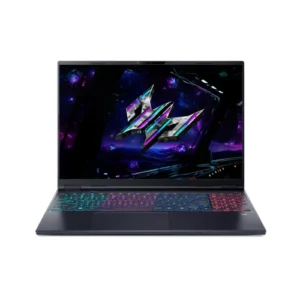
A gaming laptop remains the more self-contained option for players who want everything built into one device. Lenovo notes that a monitor, keyboard, and mouse come included by default in a laptop format, so there is no need to source those separately. That detail changes the overall value picture for anyone assembling an affordable gaming PC setup.
Casual players, according to Lenovo’s own guidance, do not always need the intense graphics capability that pricier laptops offer. A processor robust enough to handle preferred game titles matters more than chasing every available upgrade. This framing supports the idea that an affordable gaming laptop can still deliver a legitimate competitive experience when matched sensibly to the games being played.
Lenovo Legion Gaming Desktops: Desktop Power Without Premium Pricing

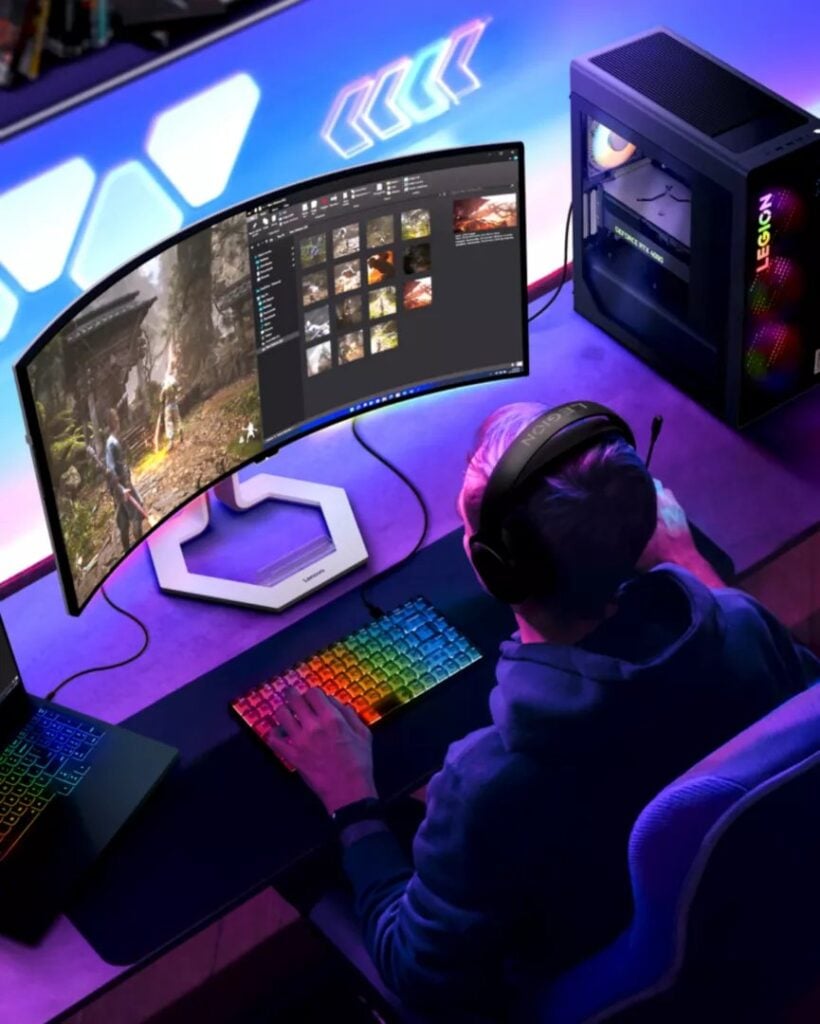
Desktop gaming PCs trade portability for expandability, and a comparison of notebook versus desktop gaming on the brand’s own site spells this out directly. A desktop has more physical space, which allows for dedicated graphics cards, stronger cooling systems, and a much higher degree of component customization. It is described as the preferred choice for demanding, competitive titles, complex simulators, and AAA games run at higher resolutions.
That same physical space also means desktop owners can swap individual parts as needs change instead of replacing an entire machine. For someone treating a budget gaming computer as a long-term investment, that upgrade path is a meaningful part of the overall equation.
Key Specs and Performance Features Across the Legion Range

Beyond the laptop and desktop divide, handheld gaming devices under the Legion Go name round out the lineup. The Legion Go S pairs an 8-inch WUXGA display with AMD Ryzen series processing and a 120Hz refresh rate for smoother on-screen motion. It also includes adjustable trigger switches and Legion ColdFront cooling technology designed for compact, on-the-go sessions.
The flagship Legion Go handheld goes further with an 8.8-inch PureSight Gaming QHD+ display protected by Gorilla Glass. It uses detachable TrueStrike controllers with Hall effect joysticks, assignable controls, and RGB lighting, plus Super Rapid Charge battery technology. Several gaming modes, including an FPS mode and a Battle Station mode for connecting to accessories, broaden how the device can be used depending on the moment.
These handheld features sit alongside the laptop and desktop lines rather than above or below them, giving the lineup several distinct gaming formats to choose between. For shoppers comparing a budget gaming PC against a handheld, having that choice inside one product family simplifies research considerably.
How Lenovo Legion Competes on Value in the Gaming Market
lenovo also ties Legion to a competitive gaming identity beyond specifications alone, noting that Legion hardware is used by athletes at the Esports World Cup. That association signals a performance standard applied across the range, not only to its most powerful configurations. It also means a value-focused gaming laptop or desktop shares design language with equipment used in elite competition.
A gaming system does not need the most advanced components available to feel capable, provided the processor, memory, and display are matched sensibly to the games being played. Buying guidance from the brand reinforces this by pointing shoppers toward processor strength first rather than chasing every possible upgrade. That approach is part of why Legion continues to appear in conversations about a budget gaming PC rather than only in premium buying guides.
- A laptop format bundles the display, keyboard, and pointing device into one purchase, removing the need to source separate peripherals.
- Desktop formats allow component swaps over time, so a single purchase can extend further into the future than a sealed laptop chassis.
- Handheld Legion Go devices add a portable play option that neither a laptop nor a desktop format fully replicates.
- Processor selection matters more than chasing every available graphics option for casual play styles.
- Having laptop, desktop, and handheld formats under one lineup lets a shopper compare value across categories instead of settling for one.
None of this requires treating every Legion configuration as interchangeable. A desktop suits a fixed setup built for upgrades, a laptop suits someone who needs one device that does everything, and a handheld suits play away from any screen at all. Recognizing which of those matches actual habits is a more useful filter than comparing specification sheets line by line. Lenovo keeps that range organized around how people actually play rather than around a single fixed configuration.
Closing Thought

Value in gaming hardware comes down to matching format and components to how a system actually gets used, not to owning the priciest configuration available.