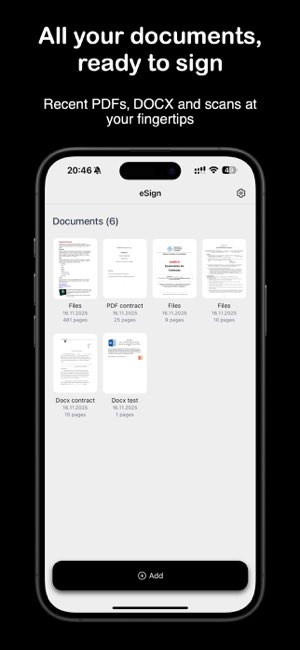
The traditional process of signing documents, printing, signing by hand, scanning and emailing, is outdated in a world where efficiency and security matter. Businesses, law firms and individuals managing contracts and agreements need a faster, more reliable method. eSign provides a comprehensive digital signature solution that streamlines the signing process while maintaining legal validity and security.
Digital signatures have become increasingly important as remote work and global collaboration expand. Waiting days for documents to be physically signed and returned creates bottlenecks in business operations. Electronic signature platforms like eSign eliminate these delays, allowing parties to sign documents within minutes regardless of their location. This acceleration of document workflows has proven transformative for organizations across industries.
Understanding Digital Signatures and Their Legal Validity
Digital signatures are legally binding in most jurisdictions. They’re not simply electronic versions of handwritten signatures, they’re cryptographically secure representations of consent and authorization. When someone signs a document electronically, the signature is uniquely tied to that individual and document. This creates an audit trail that demonstrates exactly who signed, when they signed and whether the document has been modified after signing.
The legal framework supporting digital signatures varies by region, but major markets including the United States, European Union and most of Asia recognize electronic signatures as legally equivalent to handwritten ones. This means contracts signed via eSign hold the same legal weight as traditionally signed documents. Many industries now expect electronic signatures rather than paper, with some regulatory bodies explicitly authorizing them for compliance purposes.
Core Features of Electronic Signature Platforms
Modern digital signature tools offer more than just the ability to sign. They provide a complete workflow for document management. Users can upload documents, add signature fields, specify who needs to sign, set signing order and send out signing requests. Recipients receive notifications, review the document and sign at their convenience from any device with internet access.
The platform typically includes essential features for modern document workflows
- Cloud-based document storage and organization for easy access and retrieval.
- Audit trails that document every action taken on a file, providing legal proof of the signing process.
- Integration with popular business applications and document management systems.
- Multi-step workflows where documents require signatures from multiple parties in sequence.
- Mobile signing capabilities enabling users to sign from smartphones and tablets.
Real-World Applications Across Industries
Digital signature solutions serve countless business scenarios. In legal practice, contracts and agreements that traditionally required in-person signing can now be executed remotely. HR departments use electronic signatures for employment contracts, non-disclosure agreements and policy acknowledgments. Real estate transactions benefit from faster closing timelines when documents can be signed electronically. eSign addresses needs across finance, healthcare, government and many other sectors where document execution speed matters.
Security and Compliance Features
Document security is paramount when handling contracts and agreements. Reputable electronic signature platforms implement encryption, authentication and verification measures to protect documents and prevent fraud. eSign employs industry-standard security protocols to ensure that only authorized individuals can access and sign documents. Advanced encryption protects documents both in transit and at rest, preventing interception or unauthorized modification of sensitive information.
Compliance with regulatory requirements is another critical consideration. Different industries have specific regulations governing how documents must be signed and stored. Electronic signature platforms designed for businesses typically address these requirements, maintaining audit trails and documentation that satisfy legal and regulatory standards. Healthcare organizations must comply with HIPAA, financial institutions must follow SEC regulations and government contractors must meet federal requirements. Purpose-built solutions handle these complexities automatically, reducing compliance burden on organizations.
Efficiency Gains and Cost Savings
Implementing digital signatures delivers measurable efficiency improvements. Documents that previously took weeks to sign and return can now be executed in days or hours. The cost of printing, courier services and storage space decreases significantly. Administrative staff spend less time managing document workflows and more time on strategic tasks.
The time savings extend beyond signing. Digital workflows eliminate the need for manual document assembly, reducing errors and rework. Templates can be standardized and reused, further accelerating the process. For organizations processing high volumes of agreements, these efficiency gains translate directly to substantial cost reductions and improved employee productivity.
Simplicity vs. Traditional Processes
Perhaps the most overlooked benefit of electronic signatures is their simplicity. Users don’t need to understand complex cryptography or security protocols, they simply upload a document, assign signers and send. The technology handles the complexity behind the scenes. eSign makes digital signing accessible to anyone, regardless of technical skill level.
The adoption of digital signatures reflects broader trends toward digital transformation in business. Organizations that streamline their document workflows gain competitive advantages through faster execution times and lower operational costs. For professionals managing contracts and agreements, electronic signature tools have become essential rather than optional components of modern business operations.