Managing projects efficiently requires more than good intentions and careful planning. Modern teams demand tools that centralize communication, track progress transparently and automate repetitive tasks that consume valuable time. A unified work operating system eliminates the scattered chaos of multiple disconnected applications where information gets lost between email, spreadsheets and separate communication channels. Monday.com provides a comprehensive platform designed to consolidate all project management, team collaboration and workflow automation into a single accessible interface where every team member can see priorities, deadlines and progress in real time.
The Challenge of Fragmented Team Workflows
Teams using multiple tools for project management face inherent inefficiencies. Email threads become impossible to follow, spreadsheets become outdated, chat applications fragment conversations and critical information lives scattered across incompatible systems. Project managers spend excessive time aggregating status updates from different sources, creating reports no one consults and chasing team members for information they think they already provided. This fragmentation reduces productivity, increases errors and creates frustration among team members who waste time navigating disconnected tools instead of focusing on meaningful work. monday A unified workspace addresses this fundamental challenge by providing centralized location where all project information, team communication and workflow automation coexist in one place.
Centralized Project Visibility and Real-Time Status Tracking
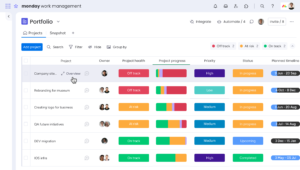
The foundation of effective project management is visibility into current status and upcoming deliverables. Modern platforms transform how teams track progress by replacing static status reports with dynamic, continuously updated dashboards that reflect actual project conditions. Custom boards display information formatted exactly as your team needs it, from Gantt charts showing timeline dependencies to kanban boards visualizing workflow stages. Stakeholders, including executives and clients, access read-only views of progress without requiring access to underlying project data. This transparency builds trust, enables early identification of risks or delays and supports data-driven decision making because current project information is always available rather than buried in outdated reports.
Seamless Team Collaboration and Communication
Project success depends on teams working together effectively across departments, time zones and expertise areas. monday Integrated collaboration tools keep communication directly in workflow, allowing team members to discuss tasks, provide feedback and make decisions without leaving the platform. Comments, file attachments and task discussions stay attached to the work itself rather than scattered across email threads. This keeps context intact and ensures future team members can understand the reasoning behind decisions. Notifications keep team members aware of relevant updates without overwhelming them with irrelevant information. Teams maintain momentum because necessary information and conversation happens where the work is actually being done.
Workflow Automation That Saves Time and Reduces Errors
Repetitive tasks drain team productivity and create opportunities for human error. Automation capabilities enable teams to eliminate routine workflows, from sending automatic notifications when tasks reach specific stages to updating project timelines based on task completion. Status-based automation creates consistent processes without requiring manual intervention, reducing the tedious follow-up work that consumes project manager time. Here are key automation capabilities that transform workflow efficiency
- Automatic status updates based on task completion send notifications to relevant stakeholders without manual action.
- Recurring task templates generate consistent sequences of work for repeating projects without manual setup.
- Conditional workflows trigger different actions based on specific conditions, enabling sophisticated business logic without coding.
- Integration automation connects business tools, syncing data monday automatically across platforms for consistency.
- Report automation generates scheduled updates and distributes them to stakeholders, eliminating manual report creation.
Scalable Platform Adapting to Your Team’s Unique Needs
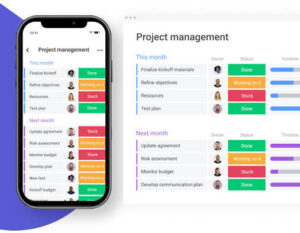
Teams operate differently based on industry, project type and organizational structure. Modern work platforms provide flexibility to configure boards and workflows matching your specific processes rather than forcing teams to conform to rigid templates. Marketing teams structure campaigns differently than software development teams, which differ from professional services organizations. Customizable templates, configurable fields and flexible board layouts accommodate these differences while maintaining consistency within your organization. As teams grow or project requirements evolve, workflows adapt without requiring platform migration or losing historical data.
Integration Ecosystem Connecting Your Existing Tools
Most organizations use specialized tools for specific functions that won’t be replaced by a single platform. Rather than forcing teams to abandon tools they depend on, integrated platforms monday connect with hundreds of applications including communication tools, file storage, CRM systems and analytics platforms. Data syncs automatically between systems, eliminating manual data entry and keeping information consistent across platforms. Teams continue using specialized tools where they provide unique value while centralizing project management and team coordination within the unified system, creating a cohesive workflow ecosystem rather than disconnected islands of information.
Effective project management requires visibility, communication and efficient workflow execution. Modern work platforms deliver all three by providing unified interfaces where teams collaborate, track progress and automate routine work. Whether managing software development sprints, marketing campaigns, client projects or internal operations, a centralized work system reduces complexity, increases transparency and enables teams to focus on delivering value rather than coordinating across disconnected tools and manual processes.