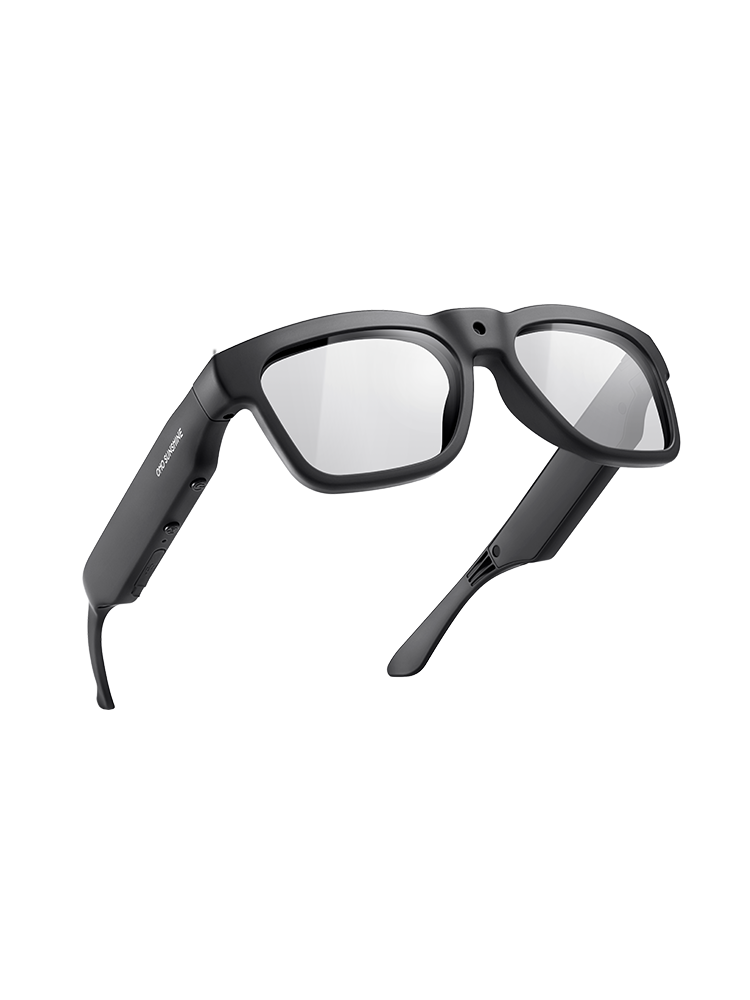
Action camera enthusiasts face a persistent challenge capturing genuine first-person perspective requires either head-mounted hardware that adds bulk and weight or handheld devices that introduce shaking and awkward angles. Smart camera eyewear represents a paradigm shift, eliminating mounting complexity while delivering the natural eye-level viewpoint that action cameras struggle to achieve. Understanding the advantages and trade-offs between these approaches helps content creators and adventure documenting users select the tool matching their specific capture goals.
The Mounting Problem with Traditional Action Cameras
GoPro and Insta360 cameras deliver outstanding image quality and stability, yet require thoughtful mounting to achieve optimal perspective. Head straps add weight and shift your center of gravity, affecting performance during athletic activities. Chest mounts capture downward angles missing facial expressions and environmental context. Handlebar mounts limit hand-free operation for activities requiring both hands. OHO smart camera eyewear eliminates these compromises by positioning the camera naturally at your eye level, capturing the exact perspective your eyes experience without requiring separate mounting infrastructure.
Each mounting option presents distinct limitations. Head straps work for some activities but feel uncomfortable during extended sessions and require constant readjustment as sweat and movement cause slippage. Chest mounts capture your torso movement but exclude your head’s natural perspective, creating cognitive disconnect between what you see and what the footage shows. Hand-held operation defeats the purpose of first-person documentation, requiring conscious camera positioning rather than passive perspective capture. The ideal solution would marry quality with natural perspective without mounting complications, which represents exactly what modern smart camera eyewear delivers.
The Natural Eye-Level Advantage
Smart camera eyewear mounted at eye level captures the precise viewpoint your eyes perceive. This alignment eliminates the perspective mismatch that makes traditionally mounted action cameras feel disconnected from actual experience. When reviewing footage, viewers see exactly what the person recording experienced without angular distortion or height-based displacement. OHO camera eyewear offers this natural perspective as its fundamental advantage, positioning recording at eye level so your documentation matches your actual point of view.
This perspective authenticity matters significantly for adventure documentation, training capture and personal memory documentation. Mountain biking footage shot from eye level feels immersive because it matches viewer expectations of how the environment moves relative to the rider’s head. Hiking documentation captures the grandeur of distant vistas exactly as experienced rather than angled upward or downward. Sports training analysis benefits from eye-level perspective that shows opponent positioning and court/field movement exactly as the athlete perceives it. The natural alignment between captured perspective and human experience creates superior documentation that feels intuitive rather than mediated through hardware compromise.
Weight and Physical Comfort
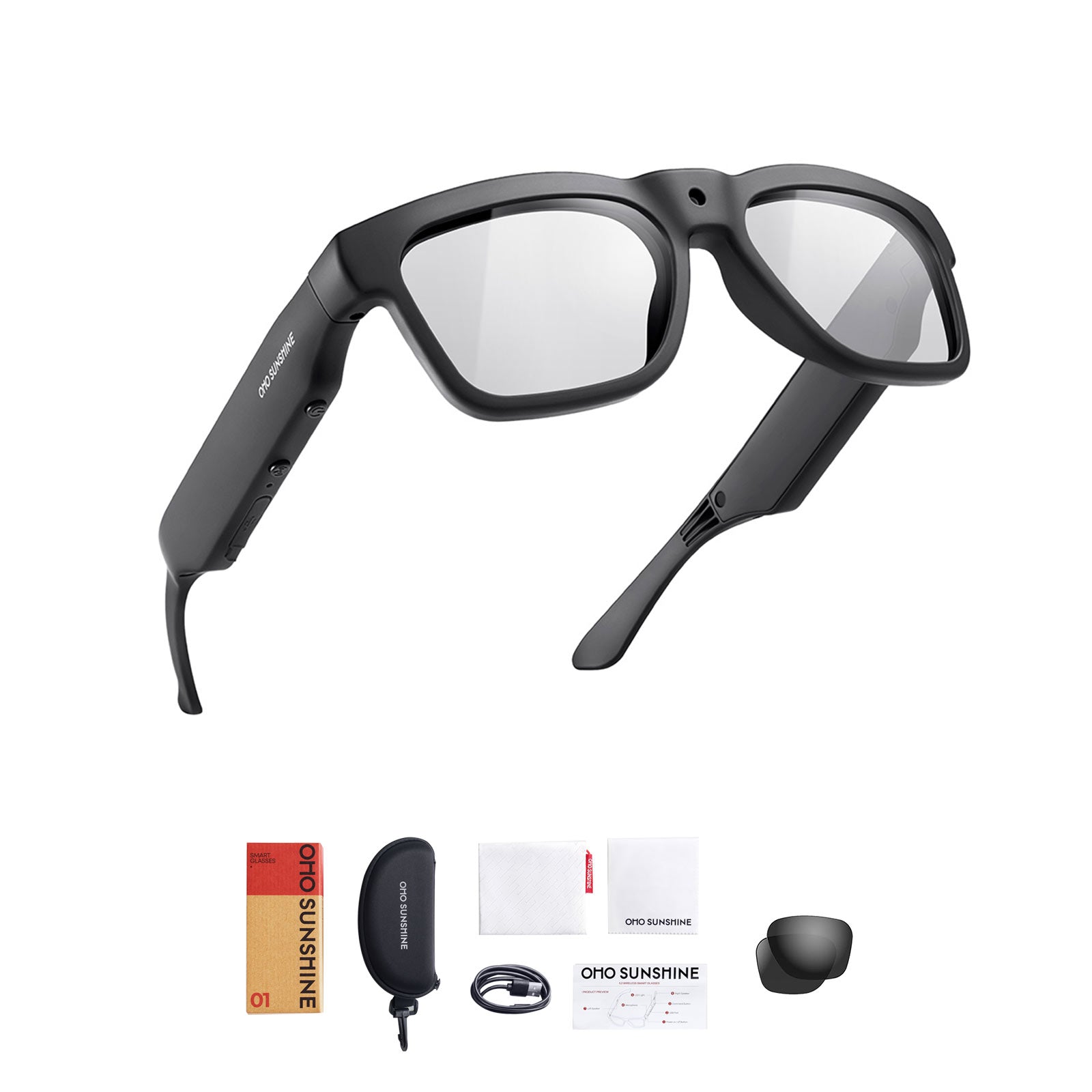
Traditional action camera mounting systems add measurable weight to your head and upper body. Even lightweight cameras accumulate mass with straps and brackets, creating fatigue during extended activities. Head straps place weight directly on your skull, causing discomfort as tension builds throughout wearing sessions. Chest mounts distribute load differently but still add bulk beneath clothing. Smart camera eyewear designed for comfortable wear distributes weight along the frame, feeling more like ordinary glasses than a mounted camera system. OHO eyewear prioritizes comfort alongside functionality, enabling hours of continuous wear without the fatigue that affects action camera mounting systems.
Extended wear comfort matters fundamentally when documenting full-day adventures. Hiking a mountain trail for eight hours wearing head-mounted action camera hardware creates genuine physical strain, particularly for your neck and shoulders. Smart eyewear distributes weight across your face and temples identically to normal eyeglasses, enabling all-day wear without special accommodation. The ergonomic advantage translates directly to your willingness to continuously record, resulting in more comprehensive documentation without physical compromise.
Stability and Image Quality Considerations
Modern action cameras like GoPro and Insta360 incorporate advanced stabilization technology, electronic gimbal systems and ultra-wide fields of view that counteract camera shake and movement. They excel at producing highly polished, broadcast-quality footage suitable for professional content creation. Smart camera eyewear prioritizes perspective and convenience over stabilization technology, producing footage that feels more natural but potentially less cinematic. OHO smart eyewear captures natural footage reflecting actual head movement, which feels authentic but differs from the enhanced stability professional action cameras provide.
For professional video production, traditional action cameras remain superior. Their computational photography, advanced stabilization and multiple mounting options enable creative angles impossible with eyewear form factors. However, for authentic personal documentation, training analysis and adventure recording where perspective authenticity matters more than cinematic enhancement, smart camera eyewear delivers superior results. The choice depends entirely on your goals maximum production quality versus natural perspective capture.
Hands-Free Operation and Convenience
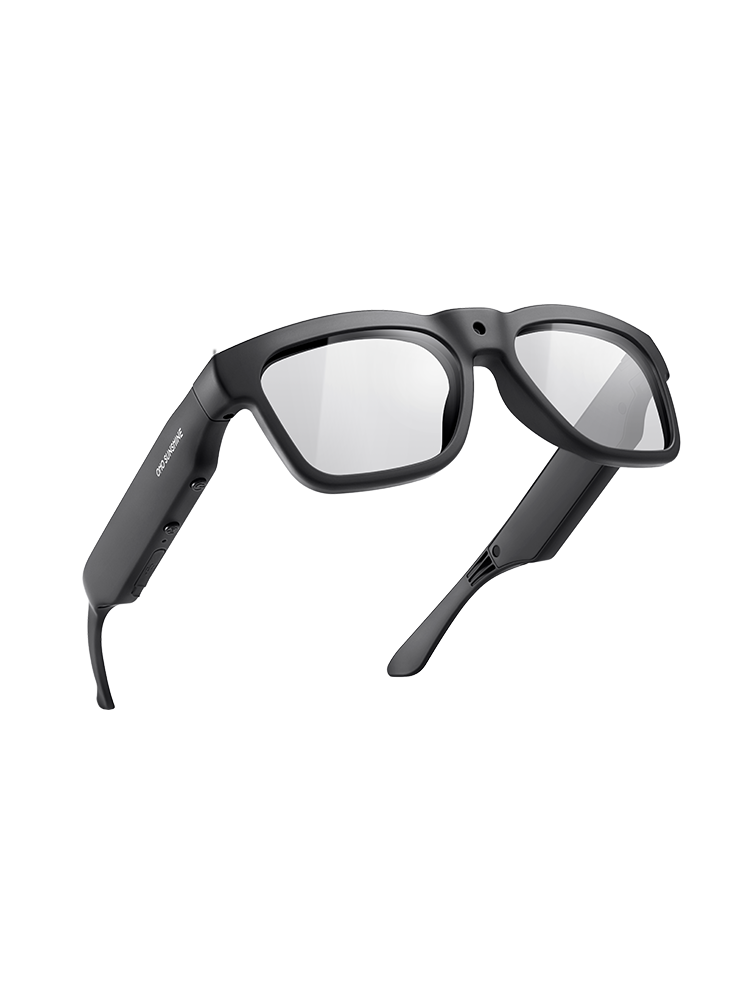
- Smart eyewear operates entirely hands-free, freeing both hands for activity engagement.
- Traditional action cameras require one hand for handheld operation or mounting hardware setup time.
- Eyewear recording initiates via voice command or button controls integrated into the frame.
- No need to pause activities for camera adjustment or repositioning during extended sessions.
- Perspective remains consistent throughout recording without manual camera adjustments.
Storage and Data Management
Smart camera eyewear typically records continuously, generating substantial file sizes requiring efficient storage and backup systems. Most eyewear models offer cloud connectivity enabling automatic upload and backup without manual computer transfer. Traditional action cameras support the same cloud features but require manual footage transfer between recording sessions and computer systems. OHO eyewear integrates seamless storage management, allowing continuous recording throughout your adventures without worrying about manual backup logistics.
Continuous recording throughout activities produces comprehensive documentation capturing unexpected moments that manual recording would miss. This continuous approach transforms your eyewear into a passive documentation system rather than an active capture tool requiring conscious engagement. You experience activities naturally while the eyewear transparently captures your perspective for later review and editing.
Selecting Based on Your Documentation Goals
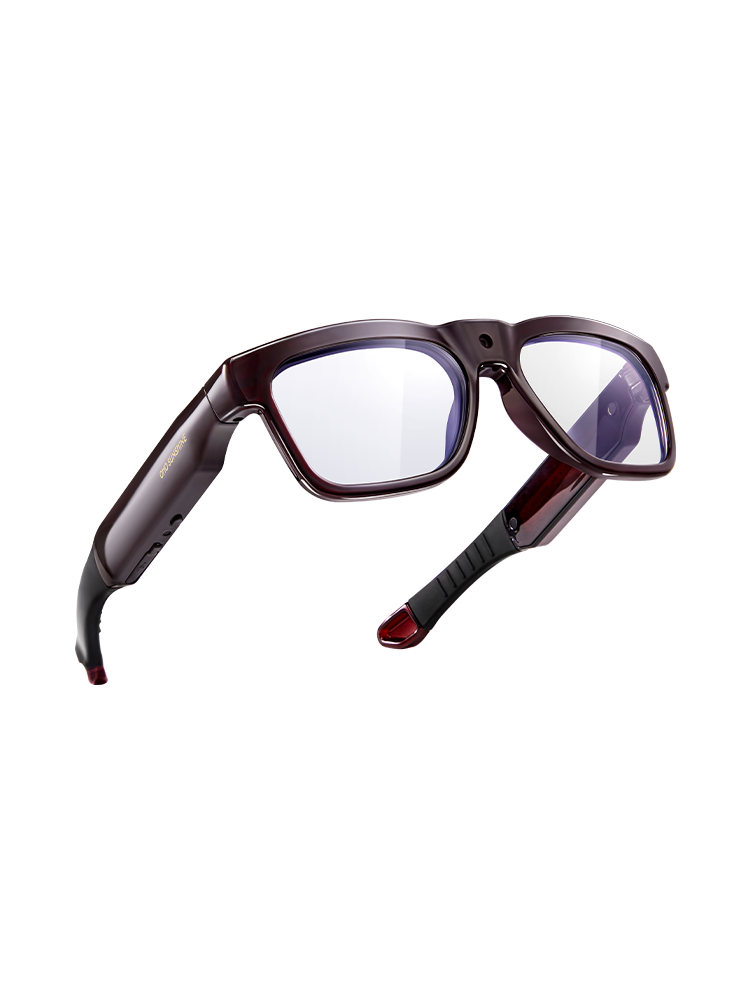
Choose traditional action cameras like GoPro or Insta360 when professional video quality, creative angles and advanced stabilization matter most. These cameras excel for content creation where cinematic presentation enhances the story. Select smart camera eyewear when natural first-person perspective, hands-free operation and continuous documentation take priority. Eyewear shines for adventure documentation, training analysis and personal memory capture where authentic perspective matters more than production enhancement.
The optimal choice depends on your specific goals. Professional creators benefit from action camera versatility. Adventure enthusiasts and trainers prioritize the perspective authenticity and ergonomic advantages that eyewear delivers. Understanding these distinctions ensures you select tools that match your actual documentation needs rather than chasing technical specifications that don’t apply to your use case.