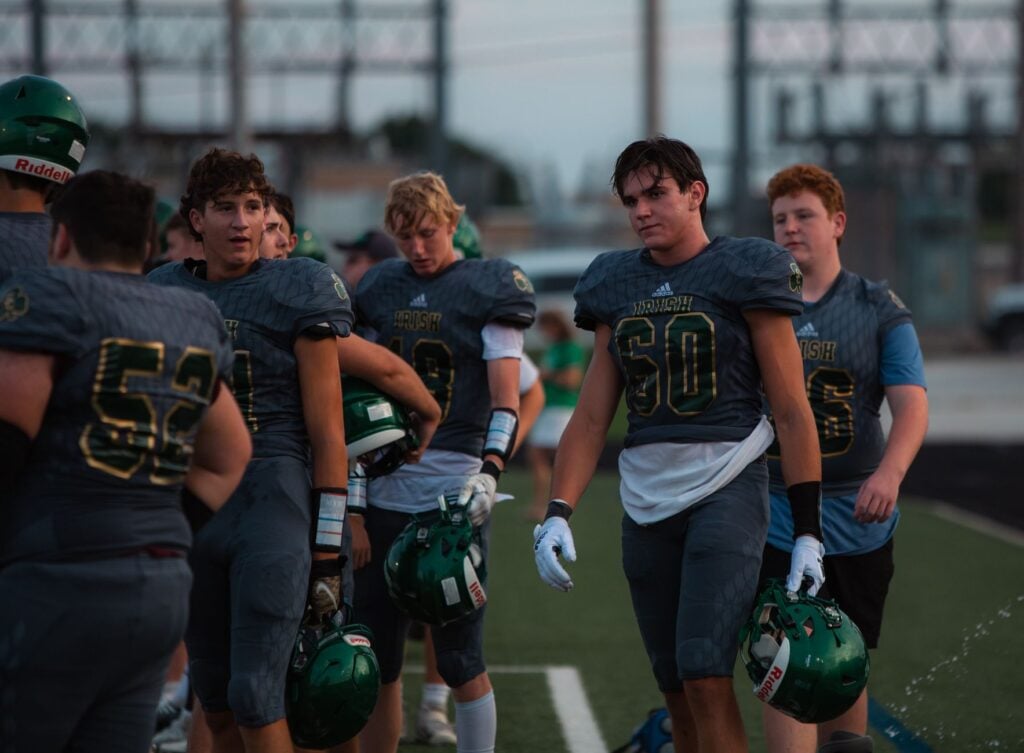
Selecting the right football helmet ranks among the most critical safety decisions a player or parent can make. Two names dominate the helmet market Riddell and Schutt, both offering a range of models designed for youth through professional-level play. Each manufacturer brings distinct design philosophies, technology features and price points to the table. Understanding the differences between these brands and knowing what specific models offer, enables informed decisions based on individual fit, playing position, budget and safety priorities.
Football helmets serve the fundamental purpose of protecting the head and brain from impact injuries. Beyond this essential function, helmets differ in weight distribution, ventilation, ease of adjustment and overall comfort during extended wear. A helmet that fits well and feels secure encourages consistent wear, which is critical for protection. The choice between Riddell and Schutt ultimately depends on individual head shape, preferred fit characteristics and the specific models available in your size range. Budget considerations matter too, especially for youth leagues where growth necessitates equipment replacement every few seasons.
Riddell Heritage and Innovation Leadership
Riddell has long positioned itself as an innovation leader in helmet technology. The brand’s investment in research around impact absorption and padding systems translates into models that emphasize advanced protective features. The Riddell SpeedFlex remains one of the most popular mid-range options, known for its responsive padding and flexible frame design. The Axiom model serves budget-conscious buyers without sacrificing safety standards, while the F7 AiR offers premium features for players prioritizing maximum protection and comfort. Riddell helmets generally command premium pricing due to advanced technology integration.
Schutt Customization and Fit Versatility
Schutt’s approach emphasizes customization and helping players find ideal fits within their product ecosystem. The brand offers varied shell sizes and padding configurations, providing flexibility for different head shapes. Schutt models like the Air XP tend to be slightly more affordable than comparable Riddell offerings, making them attractive for teams operating within budget constraints. The customizable facemask options across Schutt models allow personalization based on position and preference. Schutt’s approach to fitting often resonates with youth players and parents seeking approachable customization without premium pricing.
Key Safety Standards and Certification
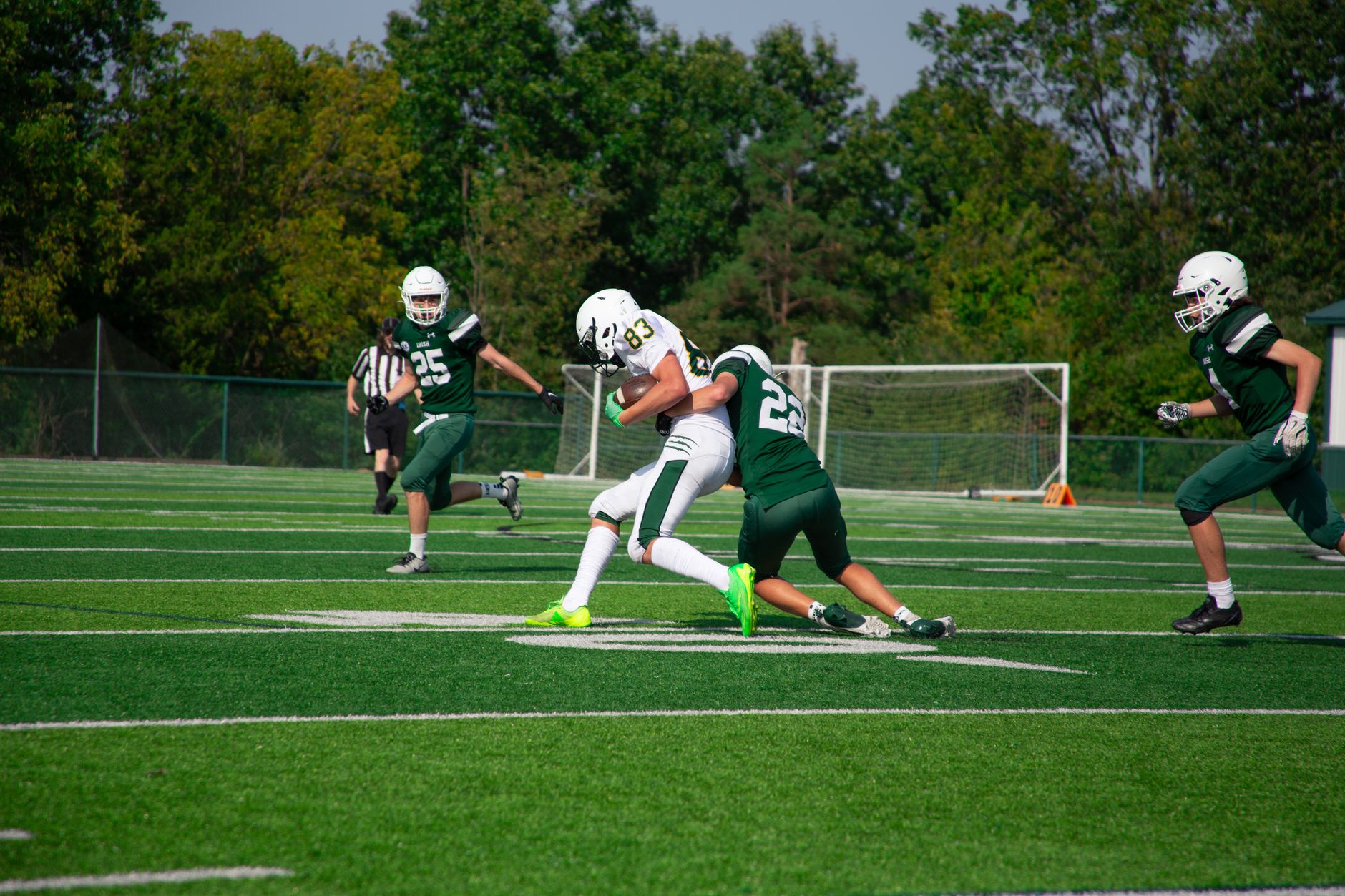
Both Riddell and Schutt helmets meet mandatory NOCSAE (National Operating Committee on Standards for Athletic Equipment) safety standards. This certification ensures that all helmets achieve baseline protection requirements. Beyond minimum standards, some models include additional padding technologies or impact-response systems. Neither brand’s advanced features guarantee concussion prevention, concussions can result from various injury mechanisms, but they contribute to overall protective capability. Research standards and certifications carefully rather than assuming premium pricing automatically correlates with superior protection.
Sizing and Fit Considerations
Proper fit is non-negotiable for helmet effectiveness. A well-fitted helmet should feel snug without excessive pressure points and it shouldn’t shift during rapid head movements. Both brands offer sizing guides and customization options. Try on helmets when possible to assess comfort; online purchases introduce fit uncertainty. Helmet fitting assistance through specialty retailers can ensure you select appropriate sizes and models. Youth players especially benefit from professional fitting due to developing head shapes and growth trajectories.
Price Point Comparison and Value Assessment
Riddell’s premium models (SpeedFlex, F7 AiR) typically range from -500, while more affordable Riddell options cost -250. Schutt models generally fall into the -350 range. Youth players outgrow equipment rapidly, making price considerations substantial. A budget model that provides reliable protection and fits well may serve youth players better than premium models that won’t be worn long. For varsity and higher-level play, investment in advanced models often makes sense given longer equipment lifespan and higher injury-impact stakes.
Ventilation and Comfort Features
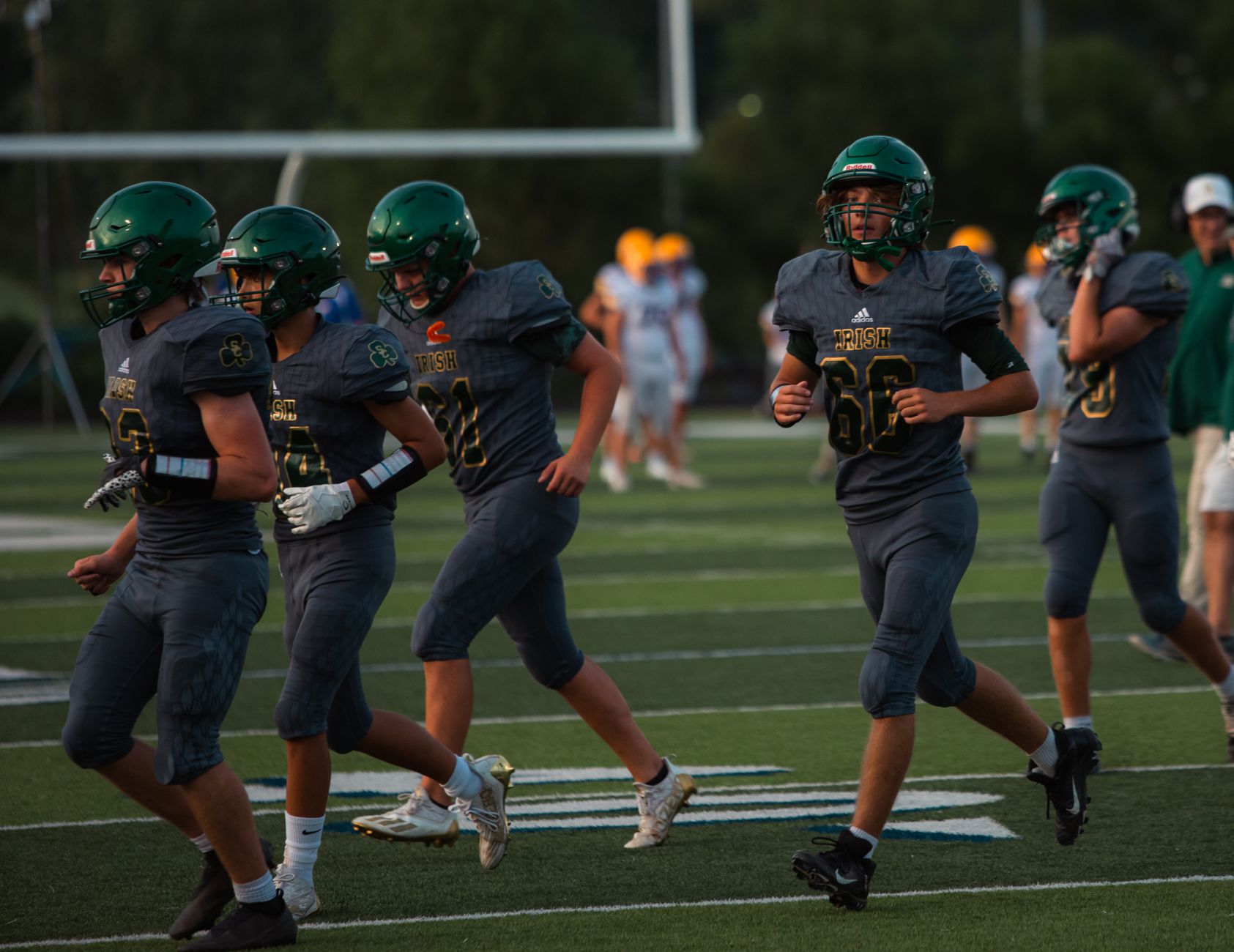
Ventilation directly impacts comfort during extended practice and game wear. Riddell’s SpeedFlex includes channeled design for airflow, while Schutt models often prioritize pad customization that affects ventilation indirectly. Climate, practice duration and individual heat tolerance all influence ventilation importance. A poorly ventilated helmet can encourage players to remove it, creating safety risks. Sports Unlimited feature comparison tools help identify ventilation approaches in specific models.
Customization and Accessory Options
- Facemask selection varies between brands; Riddell and Schutt each offer position-specific configurations.
- Chinstrap styles differ in materials and adjustment mechanisms; comfort varies individually.
- Interior padding customization allows fine-tuning fit for specific head shapes and preferences.
- Visor compatibility differs by model; check compatibility before adding aftermarket visors.
- Color options and graphics vary; while aesthetics don’t impact safety, player confidence and team cohesion benefit from appealing designs.
Making Your Decision
Choosing between Riddell and Schutt requires balancing safety, fit, budget and personal preference. Both manufacturers produce quality helmets meeting safety standards. A Schutt Air XP that fits perfectly may protect better than a Riddell SpeedFlex that fits poorly. Youth players benefit from prioritizing fit and comfort to encourage consistent wear, while varsity-level players may justify premium features. Helmet selection specialists can guide you toward options suiting your specific situation, ensuring protection remains the priority regardless of brand preference.