
When you’re camping in remote locations, traveling off the grid or facing unexpected power outages at home, a reliable portable power station becomes essential. These compact yet powerful devices store electrical energy and deliver it wherever you need it, keeping your devices charged and critical equipment running. A quality station provides independence from traditional power grids while enabling you to maintain modern conveniences in outdoor settings. Understanding the features, capacity and technology behind these systems is crucial for making an informed purchase decision.
The market for portable power solutions has expanded dramatically, with manufacturers like Bluetti leading innovation in reliable energy storage systems. Whether you’re an outdoor enthusiast, remote worker or someone seeking backup power security, a station tailored to your needs offers peace of mind and practical utility. Modern stations combine efficiency with user-friendly design, making them accessible to anyone seeking energy independence. This comprehensive guide walks you through essential considerations for selecting the right station for your lifestyle.
Understanding Portable Power Stations and Their Core Components
A station is essentially a rechargeable battery pack with built-in inverter technology that converts stored DC power into standard household AC electricity. The primary components include a lithium or lead-acid battery pack, an inverter, charging ports for various device types and protective circuitry. The battery capacity is measured in watt-hours (Wh), which determines how long the unit can power your devices. Higher capacity units can run larger appliances longer, while compact models suit lightweight camping trips.
Modern stations from manufacturers like Bluetti feature advanced lithium iron phosphate (LiFePO4) battery technology, which offers superior safety, longevity and performance compared to older lithium-ion chemistry. These devices include multiple output ports including AC outlets, USB-A ports, USB-C charging and DC connections, allowing you to charge virtually any device simultaneously. The inverter technology ensures that sensitive electronics receive clean, stable power, protecting against damage from voltage fluctuations. Quality construction and intelligent power management systems mean your station can reliably serve you for decades with proper care.
Determining Your Power Requirements and Usage Patterns
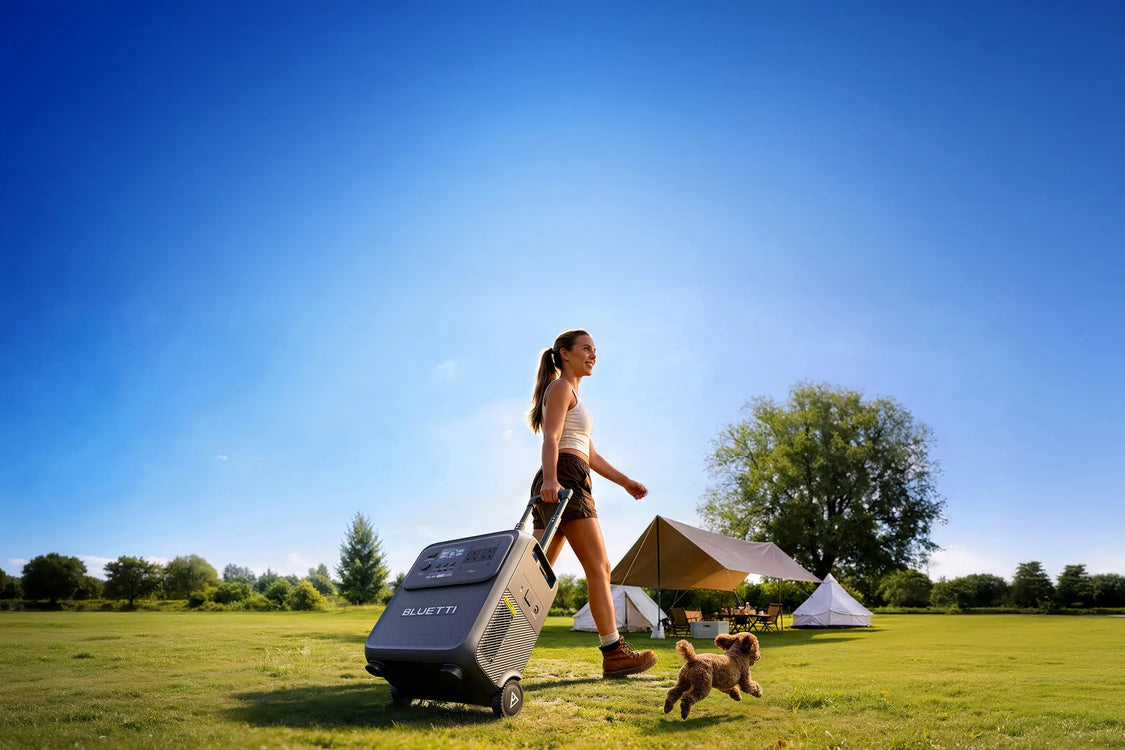
Before selecting a station, calculate your actual power needs based on the devices you plan to charge. List the wattage of each device, smartphones typically draw 5-10W, laptops 50-100W, mini-fridges 100-150W and power tools 500-1500W. Multiply wattage by daily usage hours to determine total watt-hours needed. A family camping trip might require -5000Wh daily, while emergency home backup might need 10000Wh or more depending on which appliances you want to support.
Consider your charging scenarios as well. Will you recharge daily using solar panels, vehicle charging or wall outlets? Frequent full recharge cycles affect battery lifespan. Professional-grade portable power station systems like Bluetti models feature multiple charging inputs, allowing you to recharge from different sources simultaneously. This flexibility means you can charge faster and remain operational even when one charging method is unavailable. Understanding your usage patterns helps you choose capacity that balances portability with functionality, avoiding expensive overspecification or frustrating underpowered devices.
Key Specifications and Performance Metrics Explained
Watt-hour capacity directly impacts runtime, a 3000Wh unit powering a 300W device runs for approximately ten hours. However, most stations have a continuous power output limit, typically 1000-3000W for mainstream models. Peak power ratings are higher but last only seconds; sustained loads must remain below continuous ratings. Battery chemistry matters significantly lithium iron phosphate (LiFePO4) batteries offer 3000+ charge cycles versus 500-1000 for older lithium-ion, translating to 10+ years of daily use.
When evaluating station specifications, focus on these critical performance metrics
- Battery capacity measured in watt-hours (Wh) determining total energy storage and runtime
- Continuous power output rating (watts) indicating sustained load capacity without degradation
- Charging speed from wall outlets or solar panels affecting deployment flexibility
- Battery chemistry type (LiFePO4 preferred for longevity and safety over standard lithium-ion)
- Number and variety of output ports for powering diverse device types simultaneously
Fast charging speed is another crucial specification. Many stations take 8-12 hours to recharge from wall outlets, but advanced models like Bluetti products support ultra-fast charging protocols that reach full capacity in 2-4 hours. Solar charging speed depends on panel wattage and sunlight conditions; a 400W solar panel array might add 50-80W to your system continuously on clear days. Weight and dimensions affect portability, compact 1500Wh units weigh 10-15kg, while 5000Wh systems might weigh 25-35kg. Consider whether you’ll transport the unit frequently or position it semi-permanently.
Comparing Portable Power Station Types and Applications
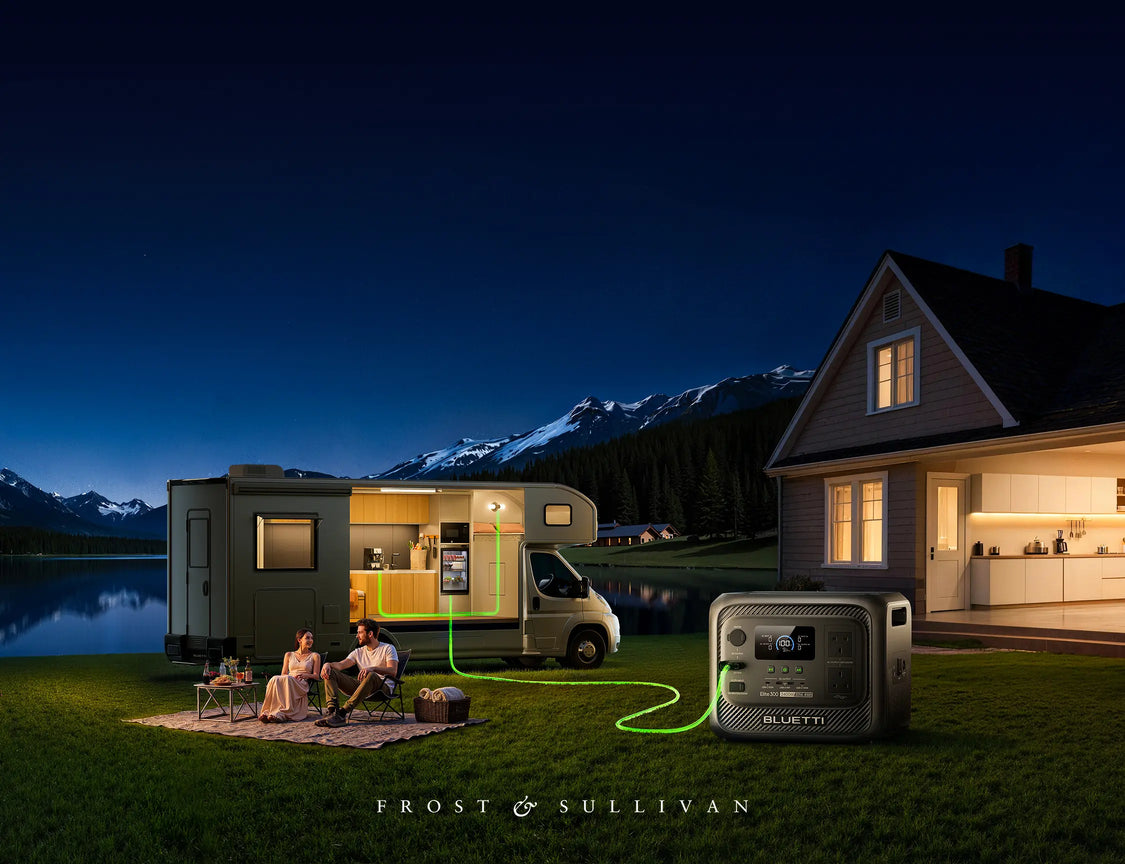
Entry-level stations (1000-2000Wh) suit weekend camping and phone charging for 2-4 people. Mid-range models (3000-5000Wh) handle full camping setups, small RVs and emergency home backup for critical circuits. High-capacity systems (8000Wh+) power larger homes, construction sites or serve as primary power systems with solar arrays. Expandable systems allow connecting additional battery modules, letting you scale capacity without replacing your entire investment.
Specialized applications demand specific features. RV enthusiasts need 240V split-phase output, marine users require saltwater-resistant construction and off-grid homeowners need expandable systems with maximum lifespan. Bluetti manufactures models spanning all these categories, with options ranging from compact travel units to utility-scale battery systems. Understanding your primary application ensures you invest in features you’ll actually use rather than paying for unnecessary capabilities.
Solar Compatibility and Renewable Energy Integration
Most modern stations accept solar panel input through dedicated DC connectors, typically MPPT (Maximum Power Point Tracking) controllers that optimize charging efficiency. Solar panels rated 100-400W pair well with mid-range power stations, delivering 30-80W continuous charging on clear days. For year-round reliability or cloudy climates, pair solar with alternative charging, wall outlets, vehicle chargers or grid power when available. This redundancy ensures your system remains charged regardless of circumstances.
Advanced station systems like those from Bluetti include smart power management that intelligently routes charging from multiple sources, automatically selecting the fastest available method. Some models support stacking additional batteries, creating expandable solar+storage systems that scale as your needs grow. Real-world renewable energy systems combine 500-1000W solar capacity with 10000Wh or more storage, providing true energy independence for off-grid cabins, RVs or emergency preparedness.
Safety Features and Build Quality Considerations

Quality stations include comprehensive safety systems internal fuses prevent overcurrent damage, thermal sensors shut down during overheat conditions and smart inverters protect connected electronics from voltage spikes. UPS (uninterruptible power supply) functionality means critical devices experience zero power interruption during switching, essential for computers and medical equipment. Metal chassis construction provides durability, while moisture-resistant designs enable outdoor use without damage.
Certification and testing matter significantly. Look for units tested to international safety standards (CE, FCC, RoHS certifications), with technical documentation demonstrating rigorous validation. The warranty period indicates manufacturer confidence, reputable brands like Bluetti typically offer 3-10 year warranties covering battery degradation and component failures. Read warranty terms carefully; some exclude water damage or improper use. Quality after-sales support, firmware updates and readily available replacement parts ensure your investment remains serviceable for years.
Making Your Final Decision Practical Selection Guidance
Start by defining your must-have specifications minimum capacity, required runtime, charging speed and expandability options. Compare actual customer experiences and professional reviews rather than relying solely on manufacturer claims. Real-world testing reveals reliability, actual charge times and whether units deliver promised performance. Join online communities where users discuss portable power systems and share experiences, this peer knowledge proves invaluable.
Calculate total investment including solar panels, additional batteries or mounting hardware you’ll need. The cheapest unit costing becomes expensive if you must buy additional components. Premium brands cost more upfront but deliver better reliability, longer warranties and superior support. Consider renting or borrowing a similar unit for a weekend trip before committing, practical experience beats theoretical research. Once purchased, maintain your portable power station properly by avoiding complete discharge cycles, storing in moderate temperatures and keeping firmware updated for optimal performance and longevity.