Orthopedic footwear represents a significant category of shoes designed with medical and therapeutic principles in mind. Orthofeet specializes in creating shoes that address common foot conditions and chronic pain, combining clinical research with practical everyday wearability. For anyone managing foot pain, plantar fasciitis, arthritis or other conditions that affect mobility, the right orthopedic shoes can dramatically improve quality of life and daily comfort.
Understanding Orthopedic Shoe Design
Orthopedic shoes prioritize medical principles over fashion trends. The design philosophy focuses on biomechanical alignment, pressure distribution and accommodation of specific foot conditions. Orthofeet Orthopedic shoes incorporate features that clinical professionals recommend, including proper arch support, heel cushioning and wide toe boxes that prevent compression of sensitive areas. Each design element serves a therapeutic purpose, addressing the root causes of foot discomfort rather than merely masking symptoms temporarily. The brand works closely with podiatrists and orthopedic specialists to ensure their shoes meet recognized medical standards while remaining comfortable for all-day wear. This clinical collaboration distinguishes medical-grade shoes from generic comfort footwear that lacks evidence-based design.
Advanced Comfort Technology for Daily Relief

The cushioning systems in these shoes go beyond typical comfort features found in casual footwear. They incorporate shock absorption technology designed to reduce impact forces that can exacerbate foot pain and accelerate tissue damage. The heel counter provides stability and prevents excessive side-to-side motion that stresses the plantar fascia and other vulnerable structures. Orthofeet This footwear includes proprietary cushioning that adapts to your foot’s pressure points, distributing weight evenly across the sole. Users frequently report noticeable pain reduction within days of switching to properly designed orthopedic shoes. The reduction in inflammation and stress on sensitive tissues often produces measurable improvements in mobility and activity tolerance. Many people discover they can walk longer distances or stand for extended periods without the pain that previously limited their activities.
Accommodating Diverse Foot Conditions
Different foot conditions require different support strategies and design modifications. The brand offers specific models designed for particular issues high arches, flat feet, bunions, heel spurs, diabetes-related neuropathy, arthritis and other chronic conditions. This specialization means you can find shoes tailored to your specific diagnosis rather than settling for generic orthopedic shoes that don’t address your particular needs. Orthofeet This brand provides options for various preferences and lifestyle needs. Whether you need professional shoes for office work, casual shoes for daily errands or specialty shoes for athletic activities, the range accommodates diverse requirements. This breadth of options ensures people with orthopedic needs don’t have to compromise on style or function when selecting footwear.
Professional Standards and Clinical Research
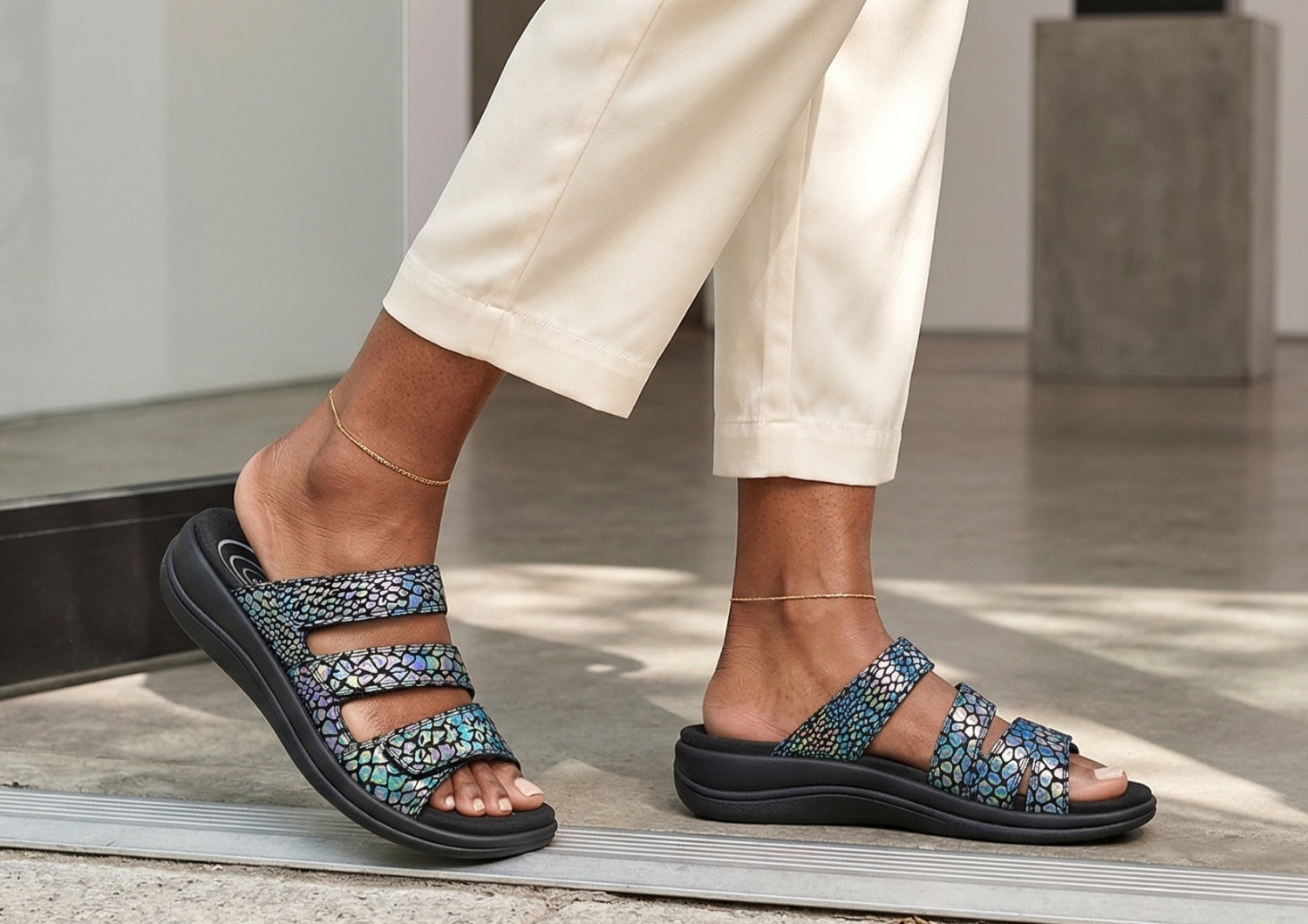
The company’s approach to shoe development incorporates continuous clinical feedback and ongoing research into foot biomechanics and the progression of foot conditions. Many models meet specific medical requirements recognized by podiatrists and orthopedic surgeons across multiple medical associations. The manufacturing standards ensure consistency and quality control that’s especially important for people with sensitive feet or those managing chronic conditions that require reliable support. Documentation of clinical benefits is often available, distinguishing these shoes from generic “comfort” shoes marketed without evidence. The brand’s commitment to evidence-based design means your shoes aren’t just marketed as helpful, they’re developed according to established orthopedic and biomechanical principles.
Long-Term Value and Durability
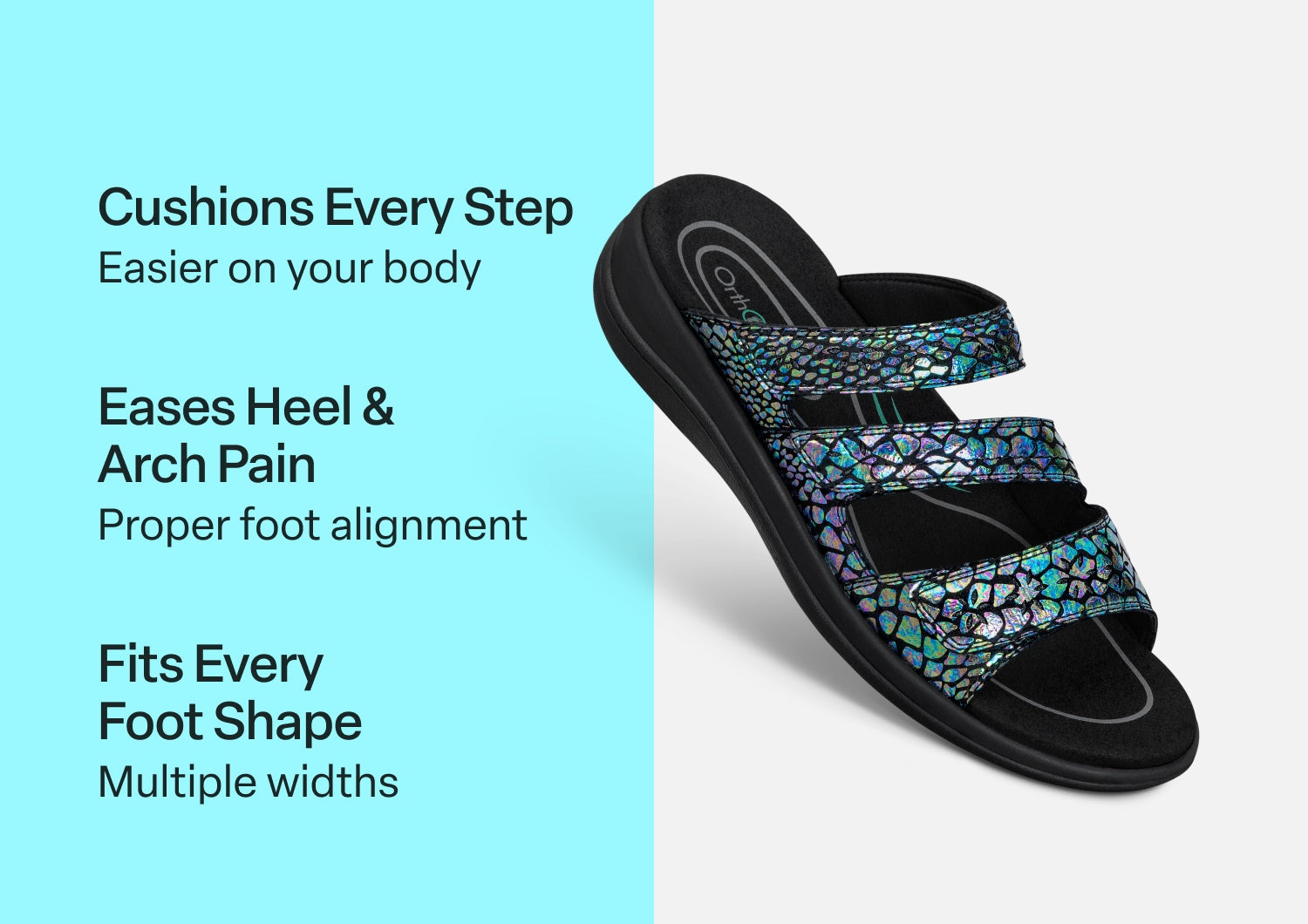
Orthopedic shoes often cost more than conventional footwear, but the investment addresses pain management and overall quality of life improvements. When shoes reduce daily pain, enable increased activity or prevent worsening of a condition, their value extends far beyond the initial purchase price. Orthofeet These shoes maintain their structural integrity and cushioning properties through extended wear periods, ensuring the therapeutic benefits persist over months of use. Many users find that the reduction in pain-related expenses, fewer doctor visits, reduced medication needs, decreased physical therapy sessions, offsets the shoe investment substantially. The durability means you’re not replacing shoes frequently despite their medical-grade construction.
Making the Transition to Orthopedic Footwear
For people unaccustomed to orthopedic shoes, the transition requires patience and realistic expectations. These shoes feel noticeably different from casual footwear because they provide genuine support rather than just comfort. Initial adjustment periods lasting several days to a week are completely normal and expected. Orthofeet This brand’s shoes are designed with this transition in mind, using gradual support increase rather than dramatic changes that shock the foot. Starting with shorter wear periods and gradually increasing daily use helps your feet adapt to proper alignment. Most users report that once the adjustment period passes, returning to unsupported shoes feels distinctly uncomfortable, a clear sign the orthopedic design is providing real structural support. If you’re managing foot pain or want to prevent conditions from developing in the future, exploring orthopedic options deserves serious consideration. Browse the collection to find shoes matching your specific needs and lifestyle preferences.
- Medical-grade design addresses specific foot conditions with targeted support rather than generic features.
- Advanced cushioning and biomechanical alignment reduce pain and inflammation measurably and consistently.
- Wide range of styles and models accommodates diverse foot conditions and lifestyle needs.
- Clinical research and professional medical standards guide all development and manufacturing decisions.
- Long-term value addresses pain management, improved mobility and quality of life improvements.