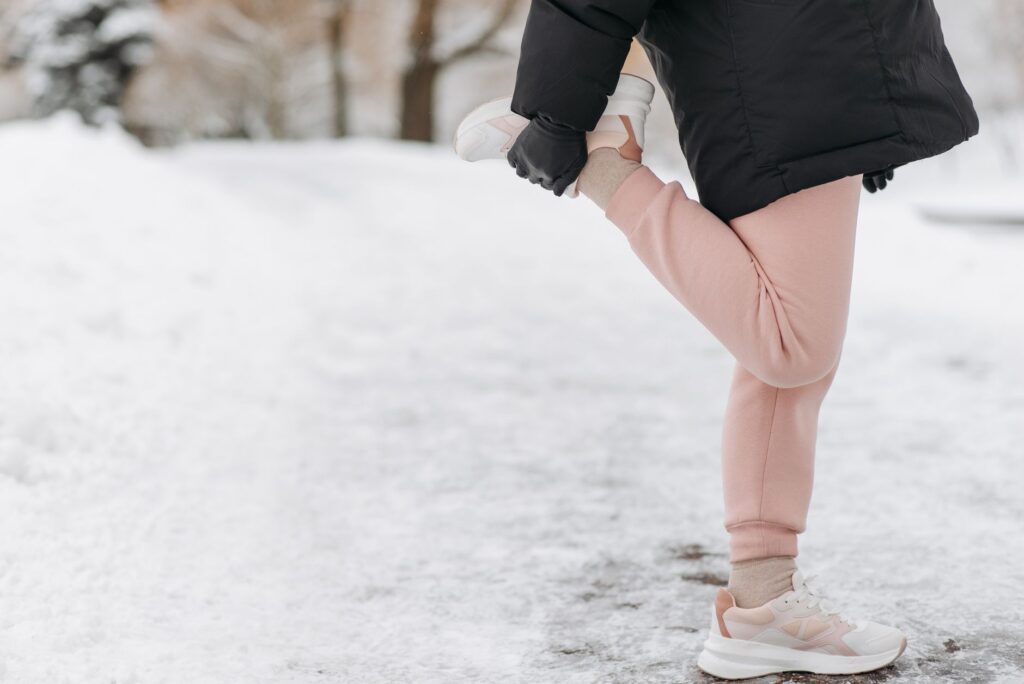
As temperatures drop, fleece-lined leggings transition from seasonal novelty to essential wardrobe staple. The appeal is straightforward thermal protection without bulk, combining style with functionality for outdoor enthusiasts and everyday wearers alike. However, not all fleece-lined leggings perform equally. Quality varies dramatically across brands, with differences in fabric durability, insulation effectiveness and breathability determining whether you experience genuine warmth or uncomfortable overheating. This guide outlines the critical features to evaluate before purchasing fleece-lined leggings for winter activities.
Fleece Fabric Quality and Construction
Fleece weight determines insulation capacity. Lightweight fleece (150-200 grams per square meter) provides moderate warmth suitable for milder autumn days and layering. Mid-weight fleece (200-300 grams) delivers genuine cold-weather protection while maintaining flexibility for active movement. Heavy fleece (300+ grams) prioritizes maximum insulation for harsh winter conditions but reduces mobility. Baleaf offers fleece-lined leggings across multiple weight categories, allowing you to select the thermal level matching your specific winter climate and activity intensity.
Fleece fabric composition affects both performance and longevity. High-quality polyester fleece resists pilling, maintains softness through repeated washing and recovers shape after stretching. Cheaper fleece develops visible surface balls within weeks, compromises insulation as the fiber structure breaks down and feels progressively rougher with laundering. Examine the fabric label for polyester content (higher percentages indicate better quality) and check product reviews specifically mentioning durability and pilling resistance. The best fleece feels soft initially but maintains that quality through extended wear and washing.
Fit and Mobility Considerations
Fleece-lined leggings must balance thermal coverage with movement freedom. Excessively tight leggings restrict circulation, paradoxically reducing warmth while causing discomfort during exercise. Overly loose leggings bunch at the ankles, create drafts at the waistband and fail to maintain thermal contact with your legs. Baleaf leggings utilize stretch fabrics that hug your legs while accommodating dynamic movement, a critical balance that separates functional cold-weather wear from restrictive products.
Waistband construction significantly impacts comfort during extended wear. High-waisted designs prevent cold air from entering at the top when bending or sitting, a practical advantage during outdoor activities. Wide waistbands distribute pressure evenly without creating muffin top or digging into your abdomen. Reinforced stitching prevents waistband roll-down that inevitably occurs with lower-quality elastic. Test the waistband firmness by checking that it stays in place during vigorous movement without feeling uncomfortable after 8+ hours of continuous wear.
Moisture Management and Breathability
Fleece insulates by trapping air within fiber layers, yet this same structure can trap perspiration if the outer fabric lacks breathability. During moderate winter exercise, your body generates heat and moisture regardless of external cold. High-quality fleece-lined leggings feature outer shells designed to wick moisture away from skin while the inner fleece insulates. Baleaf incorporates moisture-wicking technology ensuring you remain dry and comfortable even during cold-weather running or hiking sessions.
Check product descriptions for materials specifically designed for moisture management. Four-way stretch fabrics inherently provide better moisture transport than static woven materials. Some premium leggings feature specially treated outer surfaces that shed moisture more efficiently. Product reviews mentioning staying dry during workouts or extended outdoor exposure provide reliable validation that the leggings actually manage perspiration effectively rather than trapping sweat against your skin. Baleaf
Seam Quality and Durability
Seams endure constant stress through movement and washing, making seam quality a primary durability indicator. Flat-lock seams create smooth interior surfaces eliminating chafe points and lasting longer than standard stitching. Double-stitched seams resist tearing and stretching that develops with time. Interior seams matter as much as exterior seams since constant friction from skin contact creates wear that eventually splits poorly constructed seams. Inspect seam placement to ensure they don’t run directly against bony areas (hipbones, knees) where impact friction accelerates tearing.
Waistband stitching deserves particular attention since the waistband elasticity depends on thread strength and proper tension. If the waistband stitching pulls or frays during the first few wears, the entire waistband will eventually fail, rendering otherwise serviceable leggings unwearable. Test waistband durability by checking reviews mentioning waistband longevity and whether the elastic maintains shape through dozens of wash cycles.
Layering Compatibility and Thickness
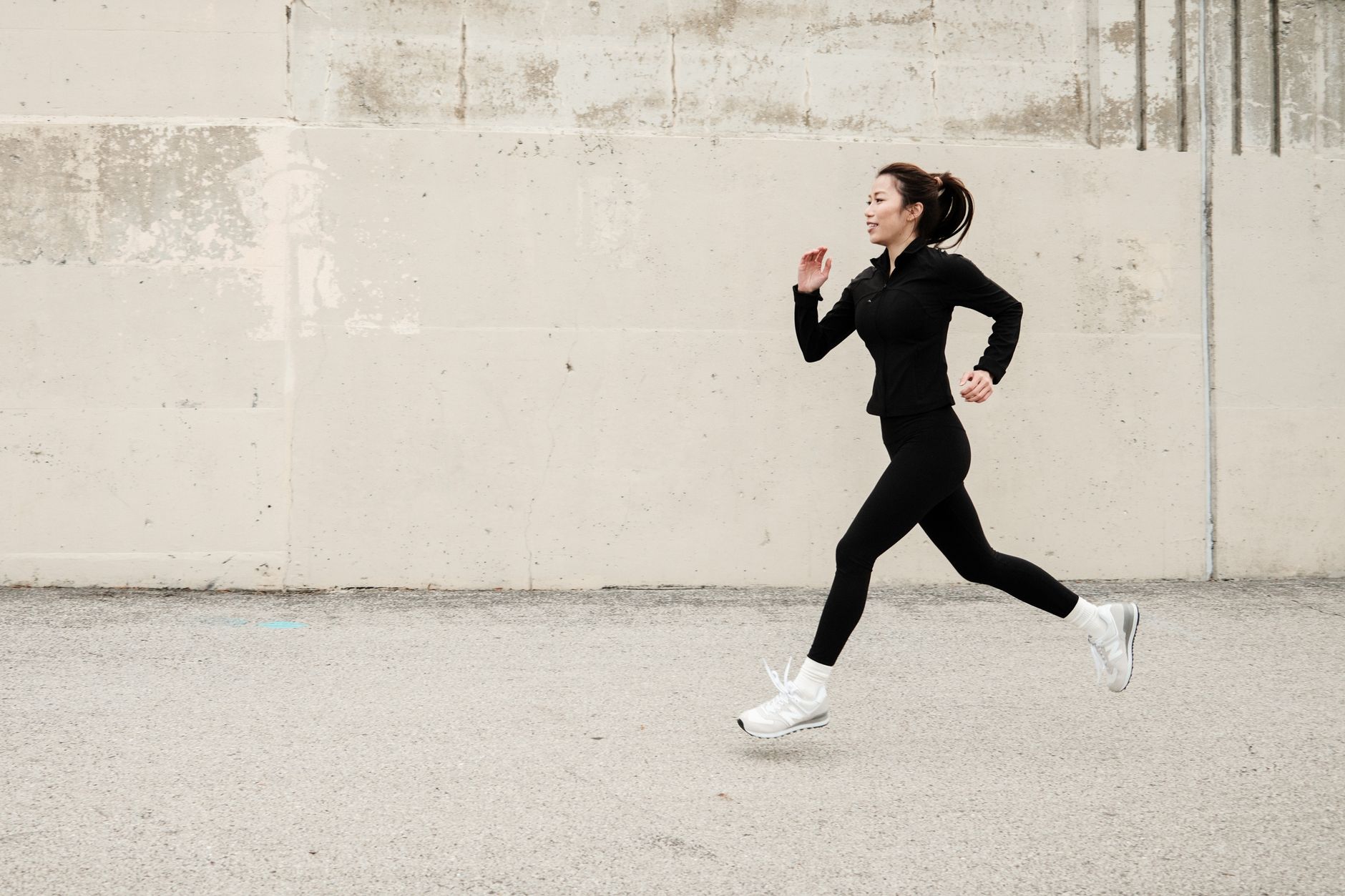
- Lightweight fleece leggings layer effectively under athletic tights or snow pants without excessive bulk.
- Mid-weight options work standalone for moderate winter weather or as outer layer over thinner tights.
- Heavy fleece leggings function as primary insulation requiring minimal additional layering.
- Fabric thickness affects how bulky your legs appear in form-fitting winter outfits.
- Check waistband compatibility with different belt styles and jacket lengths to prevent uncomfortable gaps.
Practical Testing and Return Considerations
Since thermal performance cannot be fully evaluated during casual shopping, prioritize purchasing from retailers offering generous return windows. Wear the leggings during actual cold-weather activities rather than indoor testing, as real-world conditions reveal whether insulation meets your needs. Baleaf typically provides straightforward return policies allowing adequate evaluation time before finalizing your purchase.
Document your test experience How warm were they during your typical winter activities? Did moisture accumulate or wick away? Did the waistband stay in place throughout the day? Did seams show any signs of stress? These observations guide your final decision and inform whether the leggings warrant keeping or returning for a better option. Customer reviews providing specific details about cold-weather performance in your climate offer invaluable guidance matching your needs with actual product behavior.
Making Your Selection
Evaluate fleece-lined leggings systematically across weight, fabric quality, fit, moisture management and seam construction before committing. Superior fleece-lined leggings invest in durable materials and thoughtful design that deliver reliable warmth through multiple winters. Lower-quality alternatives save money initially but require replacement annually and underperform when you need them most. With attention to these key factors, you’ll confidently select leggings that keep you warm, comfortable and stylish through the entire cold season.