
When autumn winds pick up across the UK, a reliable pair of boots becomes as essential as a warm coat. The choice between designer and own-brand options has long divided fashion-conscious shoppers, yet both categories offer distinct advantages for those navigating British weather. Knee-high and Chelsea boots stand out as practical choices that transition seamlessly from urban commutes to country walks, making the decision about where to invest your money particularly important.
Designer footwear typically commands a premium price, yet many wearers find the investment justified through superior materials, craftsmanship and longevity. Own-brand alternatives, conversely, have evolved dramatically in recent years, with high street and online retailers producing boots that rival their luxury counterparts in durability and style. Understanding the genuine differences between these categories helps buyers make informed choices rather than assuming higher price tags automatically guarantee better performance in wet, unpredictable British conditions.
Material Quality and Weather Resistance
Premium designer boots often feature full-grain leather that develops character with age while naturally resisting moisture. The tanning processes used by luxury manufacturers typically create hides with superior water-repellent properties straight from production. When you purchase a Daniel Footwear design-focused boot, you’re investing in leather that has been selected specifically for its structural integrity, meaning the boot maintains its shape through repeated exposure to rain and damp.
Own-brand boots from established retailers frequently utilise treated leather or synthetic materials engineered to withstand wet weather. These materials undergo rigorous testing specifically for British climate conditions. The key distinction lies not in material type but in construction method. Daniel Footwear and similar brands invest heavily in protective finishes that create a genuine barrier against moisture penetration, whereas budget alternatives occasionally skimp on these critical finishing touches.
Fit and Long-Term Comfort

A well-fitted boot becomes increasingly important during winter months when you’re wearing thicker socks and spending extended periods on your feet. Designer manufacturers typically offer multiple width options and undertake extensive fitting research across different foot shapes. The insole construction in luxury boots often incorporates memory foam or bespoke padding, conforming gradually to individual foot contours over weeks of wear.
Many own-brand retailers have recognised that comfort drives repeat purchases, leading them to invest in improved insole technology and fit calibration. Budget-conscious buyers often discover that mid-range own-brand boots deliver comparable comfort to designer alternatives during the first season, yet the arch support may deteriorate more rapidly. Testing Daniel Footwear options alongside own-brand competitors reveals that the premium brands typically maintain structural support after multiple seasons, whereas cheaper boots may require replacement sooner.
Price Versus Lifespan Calculation
The cost-per-wear calculation proves illuminating when comparing designer and own-brand boots. A designer knee-high or Chelsea boot priced at -300 often lasts five to seven years with proper care. Assuming 150 days of annual wear, this translates to roughly 25-35 pence per wear. An own-brand boot at -90 might deliver three years of reliable service, producing a cost-per-wear of approximately 40-60 pence. The mathematics suggest designer investment sometimes delivers better value over extended timeframes, yet individual circumstances vary considerably.
Lifestyle factors significantly influence this equation. If you live in an urban environment where boots face constant exposure to salt, moisture and rough pavements, designer quality pays dividends. Rural or occasional users might find own-brand options perfectly adequate. Daniel Footwear products typically fall into the investment category, justified by documented durability across owner reviews.
Style Versatility and Seasonal Relevance
Designer boot collections often feature distinctive styling details that mark them as luxury items. Chelsea boots with subtle stitching patterns, knee-high designs with unique heel shapes or distinctive buckle placements signal quality to discerning observers. These design elements rarely date, as luxury manufacturers prioritise timeless aesthetics over trend-chasing.
Own-brand collections embrace faster fashion cycles, introducing seasonal styles that appeal to budget-conscious trendsetters. The advantage lies in variety and experimentation at lower cost, permitting buyers to own multiple styles. A wardrobe approach combining one investment Daniel Footwear purchase with several own-brand options provides both reliability and stylistic flexibility throughout the year.
Repair and Aftercare Options
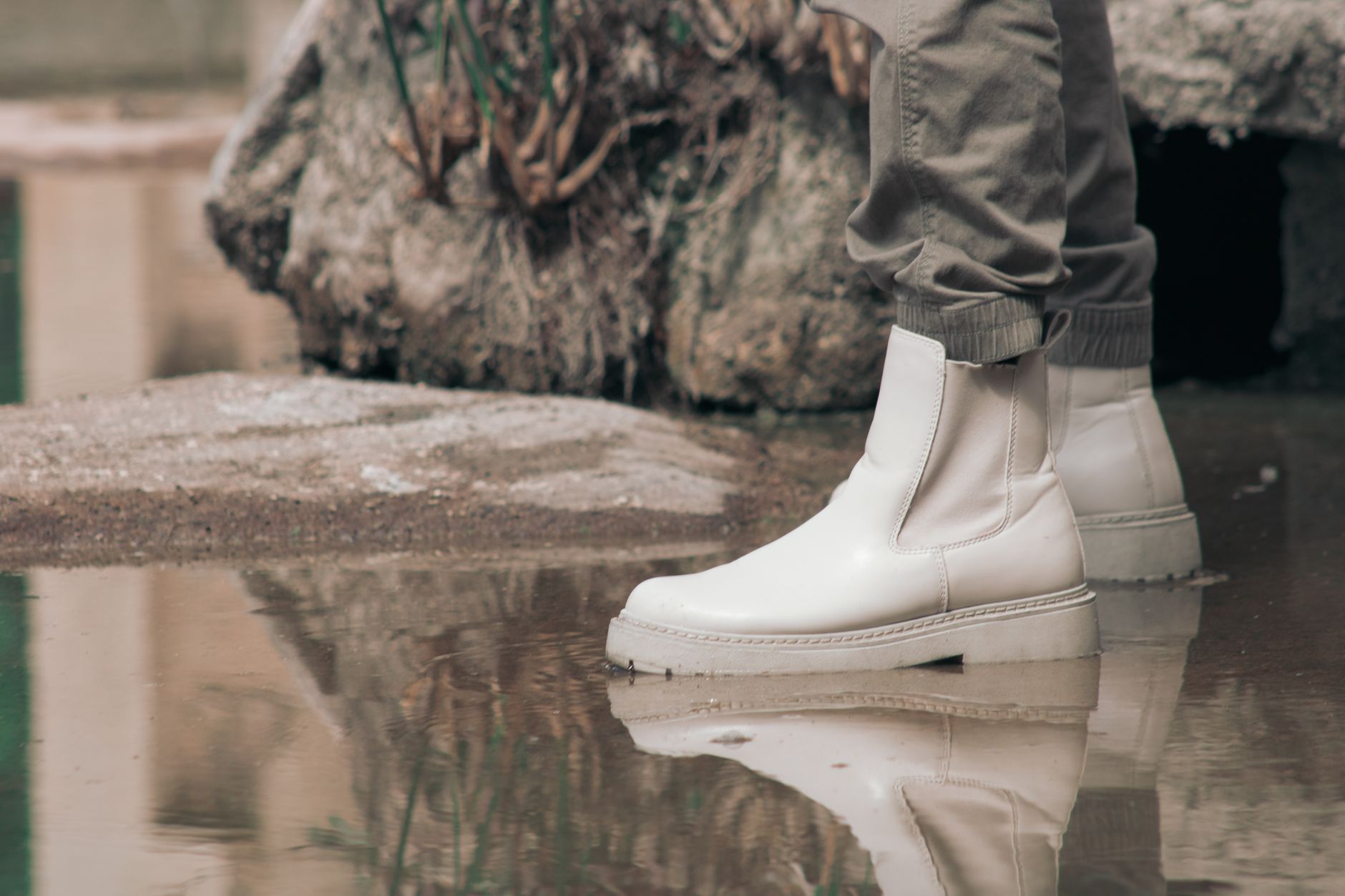
Premium boot manufacturers typically offer professional repair services, extending lifespan through expert restoration. Damaged heels, sole replacement or leather conditioning become economical choices when the original investment was substantial. Designer brands maintain networks of authorised repair specialists, ensuring quality restoration work.
Own-brand retailers offer basic aftercare advice, though many lack dedicated repair infrastructure. This absence often renders budget boots unrepairable, pushing users toward replacement rather than restoration. Considering potential repair needs, designer purchases hedge against premature disposal.
Making Your Boot Decision
The optimal choice between designer and own-brand boots depends on personal priorities rather than absolute superiority of either category
- Choose designer quality if you prioritise durability, walk extensively during winter or seek boots lasting 5+ years with minimal replacement cycles
- Select own-brand options if you prefer variety, frequently update your style or wear boots only occasionally during mild weather
- Consider a hybrid approach pairing one investment boot with multiple budget alternatives for different occasions and seasons
- Evaluate materials carefully regardless of brand, as water resistance and structural integrity matter more than designer labels
- Test fit meticulously before purchasing, since comfort cannot be recovered through designer credentials or own-brand discounting
Whether you ultimately choose Daniel Footwear designs or reliable own-brand alternatives, the UK weather demands boots engineered for genuine performance rather than aesthetic compromise. Quality in either category ultimately manifests through practical endurance across seasons.