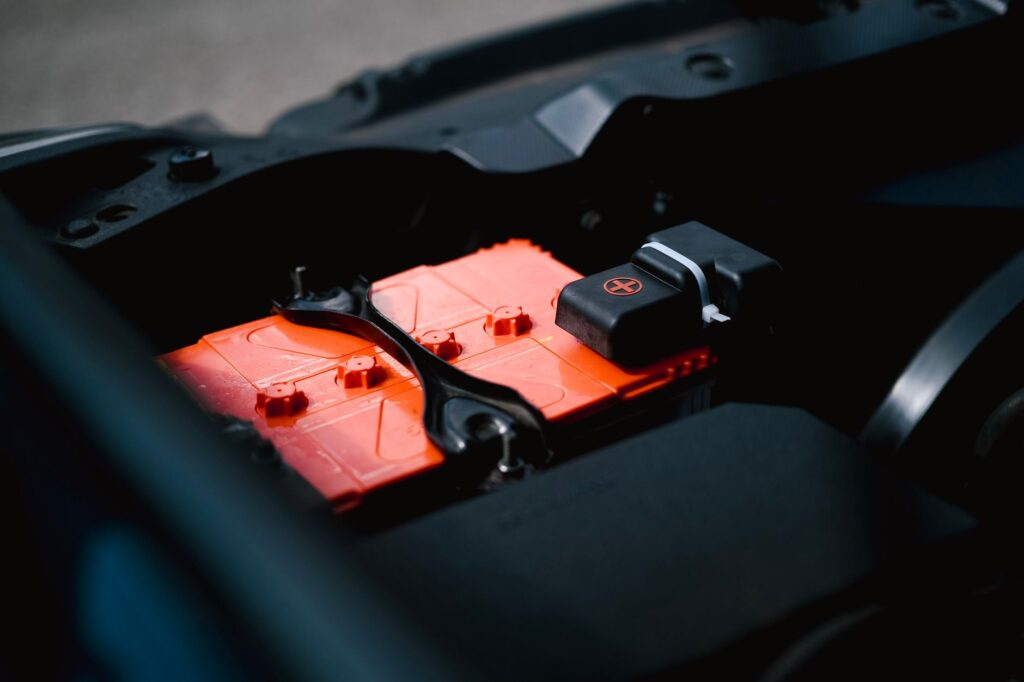
Reliable battery systems form the backbone of comfortable RV living, powering everything from refrigeration and lighting to entertainment systems and essential appliances while traveling off-grid. Selecting the right battery configuration transforms your RV experience from frustrating power limitations to genuine freedom and independence. Modern battery technology offers diverse options suited to different travel styles, power demands and budget considerations, enabling RV enthusiasts to design custom power systems that support extended backcountry stays or comfortable resort-style camping.
Understanding RV Battery Types and Chemistry
RV owners can choose between traditional lead-acid batteries, absorbed glass mat (AGM) batteries and lithium-ion systems, each offering distinct advantages and limitations. Lead-acid batteries, the most affordable option, require regular maintenance and perform poorly in cold weather but work adequately for casual weekend campers with modest power needs. AGM batteries improve upon lead-acid technology with superior cold-weather performance and faster charging, representing a practical middle-ground option for most RV owners. Lithium-ion batteries deliver superior performance, faster charging, longer lifespan, higher usable capacity and excellent cold-weather operation, at a premium price point that appeals to full-time travelers or those with high power demands. Wattcycle power solutions are engineered with the same reliability standards that power their mobile systems, ensuring consistent performance across diverse operating conditions and usage patterns.
Calculating Your RV Power Requirements
Determining battery capacity begins with honestly assessing your power consumption patterns and off-grid duration expectations. Calculate daily ampere-hour (Ah) requirements by totaling all appliances, lighting systems and devices you’ll run, then multiplying by average daily hours of use. A typical RV consuming 100 Ah daily needs at least 200-400 Ah of battery capacity to provide 2-4 days of autonomy, accounting for the fact that batteries should never discharge completely without damage. Refrigerators, the primary power consumer, typically draw 10-20 Ah daily depending on ambient temperature and model efficiency. Water pumps, furnace fans and LED lighting add 10-30 Ah combined in most setups. Entertainment systems and smartphone charging add minimal consumption relative to climate control devices. Heavy-use campers running air conditioning might require 300+ Ah daily storage, demanding dual battery banks or hybrid diesel-electric systems. Calculate conservatively, undersized battery systems become frustrating quickly as you discover the limitations of reduced shower pressure and shorter evening entertainment windows.
Designing Your Battery Bank Configuration

Most RV battery systems employ multiple batteries wired in series-parallel configurations to achieve desired voltage and capacity. A basic 12V system uses single or paired 12V batteries, suitable for small trailers and occasional camping. Serious RV enthusiasts often upgrade to dual 12V batteries wired in parallel for increased capacity while maintaining 12V output. Large motorhomes frequently employ 24V systems combining four batteries in two parallel pairs, reducing cable sizes and charging losses across the larger power distribution system. Modern owners increasingly add lithium-ion batteries alongside traditional lead-acid systems, using a battery management system to charge lithium first and use lead-acid for backup power. This hybrid approach leverages lithium efficiency while minimizing per-battery costs. Solar charge controllers, inverters and battery management systems represent critical infrastructure components that protect battery longevity and ensure reliable performance. Professional installation ensures proper wiring gauge selection, circuit protection and monitoring equipment calibration specific to your chosen battery chemistry and capacity. WattCycle
Maximizing Battery Lifespan and Performance
Battery longevity depends critically on proper charging management, temperature control and usage patterns. Overcharging dramatically reduces lifespan by degrading the active chemistry, while undercharging (leaving batteries partially discharged for extended periods) similarly damages lead-acid systems through sulfate crystal formation. Maintain charge levels between 20-80% for maximum lifespan when battery capacity allows, this practice extends operational life by 50% or more compared to full discharge-recharge cycles. Temperature control significantly impacts performance, cold weather reduces available capacity by 20-30% while accelerating degradation, necessitating battery heating systems for northern climates. Modern battery management systems automatically adjust charging rates based on temperature, protecting chemistry from damage while maintaining usable capacity across seasons. Periodic equalization charging (for lead-acid) rebalances cell voltages and prevents premature failure. WattCycle battery technology incorporates intelligent monitoring and protection features that preserve capacity and extend operational lifespan across diverse camping conditions.
Solar Integration and Charging Solutions

- Roof-mounted solar panels provide silent, fuel-free charging during daylight hours, adding 100-400 watts of power depending on panel count and orientation toward the sun.
- Charge controllers regulate solar input to battery voltage and current limits, preventing overcharging while maximizing power transfer during variable weather conditions.
- Generator backup charging ensures rapid battery replenishment during extended cloudy periods or heavy power consumption days, providing independence from shore power hookups.
- Smart alternators capture engine charging power more efficiently during RV travel, harvesting 50-100 amps during highway driving to supplement battery reserves.
- Shore power management systems automatically switch between generator, solar and external power sources based on charge status and demand priorities.
Upgrading Your RV Power System
Most RV owners upgrade battery systems when existing capacity proves inadequate or components fail after years of service. Timing upgrades during seasonal trips maximizes payback from improved capability, adding solar panels before extended summer travel or upgrading to lithium-ion before winter travel to northern climates. New installations benefit from professional assessment of existing infrastructure, many older RVs feature undersized wiring and charging equipment that limit the benefit of new batteries until upgraded simultaneously. Hybrid approaches combining lithium-ion primary batteries with retained lead-acid backup provide reliability and cost effectiveness during gradual system evolution. WattCycle power solutions integrate seamlessly with existing RV electrical systems, offering modular expansion capabilities that adapt to your evolving power needs. Whether you’re weekend camping or living full-time on the road, investing in quality batteries with proper charging management and monitoring infrastructure delivers years of reliable, independent power supporting the mobile lifestyle you’ve chosen. WattCycle explore reliable power options today and transform your RV adventures with systems engineered for dependability and performance.