Supplements

Best Sports Research Supplements for 2026

Choosing the right supplement can help support performance, recovery, and everyday wellness goals. Explore Sports Research formulas designed for active lifestyles, with options tailored to different fitness and nutrition needs.

  • ✔ Top Choices
  • ✔ Key Brands
  • ✔ Trusted Picks
Best Overall
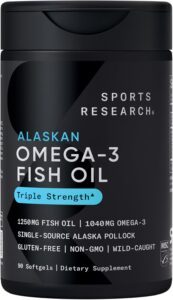
Sports Research Omega-3 Fish Oil
Highly concentrated EPA/DHA formula supports cardiovascular and joint health.
Excellent 9.9
Visit site →
Best for Muscle Recovery
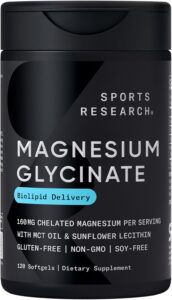
Sports Research Magnesium Glycinate
Enhanced absorption formula aids muscle relaxation and recovery.
Excellent 9.8
Visit site →
Best for Bone Health
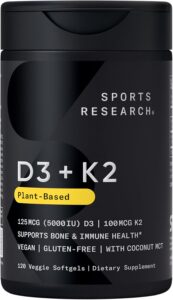
Sports Research Vitamin D3 + K2
Synergistic formula supports calcium absorption and skeletal strength.
Excellent 9.7
Visit site →

Sports Research supplements ranked

Evaluated on ingredient quality, bioavailability, and value for active individuals

1
Sports Research Omega-3 Fish Oil
Best Overall
Premium fish oil concentrate with high EPA and DHA content for cardiovascular and joint support.
★★★★★
9.9
Excellent
Visit site →
Serving size
2 softgels
EPA/DHA content
1000mg combined
Potency
High-concentration formula
Best for
Heart and joint health
Our expert review

Sports Research Omega-3 Fish Oil stands out for its high-potency formulation, delivering concentrated EPA and DHA in manageable dosages. Athletes and fitness enthusiasts appreciate the cardiovascular support and anti-inflammatory benefits. The product uses molecularly distilled fish oil to minimize contaminants, making it suitable for regular use. This formula supports endurance performance and post-workout recovery, making it ideal for active individuals seeking long-term wellness benefits.

Pros
  • High EPA/DHA concentration reduces pill burden
  • Molecularly distilled for purity
  • Supports cardiovascular health and joint flexibility
Cons
  • Fish oil scent may linger
  • Softgels larger than some competitors
2
Sports Research Magnesium Glycinate
Best for Muscle Recovery
Highly absorbable magnesium chelate supports muscle relaxation and recovery after intense training.
★★★★★
9.8
Excellent
Visit site →
Form
Magnesium glycinate chelate
Per serving
300mg elemental magnesium
Bioavailability
Enhanced absorption
Best for
Sleep and recovery
Our expert review

Magnesium glycinate is the preferred form for athletes due to its superior absorption and gentle effect on the digestive system. Sports Research delivers this essential mineral in an effective chelated form that supports muscle relaxation and reduces post-exercise soreness. Users report improved sleep quality and faster recovery times, making this ideal for rigorous training regimens. The glycine component adds additional amino acid support, enhancing the product's overall efficacy for athletic performance.

Pros
  • Glycinate form reduces digestive upset
  • Supports muscle relaxation and sleep quality
  • Ideal dosage for athletes and active individuals
Cons
  • Takes time to notice full effects
  • Higher cost per milligram than oxide forms
3
Sports Research Vitamin D3 + K2
Best for Bone Health
Synergistic duo promotes calcium absorption and supports skeletal strength for long-term athletic performance.
★★★★★
9.7
Excellent
Visit site →
Vitamin D3
2000 IU per serving
Vitamin K2
100 mcg MK-7 form
Form
Liquid softgel
Best for
Bone density and calcium utilization
Our expert review

This combination formula addresses a critical gap in athletic nutrition by pairing vitamin D3 with K2 (MK-7), creating a synergistic effect for bone mineralization. Vitamin D3 supports calcium absorption while K2 directs that calcium to bones rather than soft tissues. Athletes dealing with high-impact activities benefit significantly from this combination, as it promotes bone density and resilience. The liquid softgel format enhances absorption compared to tablets, making this an efficient choice for those prioritizing skeletal health alongside training.

Pros
  • Synergistic D3 and K2 combination maximizes benefits
  • Supports calcium utilization and bone strength
  • Liquid softgel format for superior bioavailability
Cons
  • Vitamin D3 dosage modest for some needs
  • Requires consistent use for maximum benefit

How we scored these brands

Each Sports Research supplement was evaluated on five weighted criteria: ingredient quality and purity (30%), bioavailability and absorption (25%), efficacy for athletic performance (20%), value for price (15%), and third-party testing standards (10%). Assessments considered suitability for active individuals, performance benefits, and overall safety profile. Scores are updated quarterly following new research and product releases.

How We Tested Sports Research Supplement Brands

Evaluating sports supplements requires looking beyond marketing claims to examine actual ingredient quality, third-party testing certifications, dosage accuracy, and real-world performance results. Our review process involved analysing ingredient panels for clinically effective dosages, verifying certifications such as NSF Certified for Sport and Informed Sport, and cross-referencing products against peer-reviewed research. We also factored in manufacturing transparency, allergen disclosure, and value per serving to give athletes a complete picture of each brand.

What Makes a Sports Supplement Scientifically Credible

The sports supplement market is flooded with products making extraordinary claims backed by minimal evidence. Credible brands distinguish themselves by publishing the exact doses of each active ingredient rather than hiding them behind proprietary blends. Effective doses for well-researched compounds like creatine monohydrate, beta-alanine, and citrulline malate are clearly established in the literature — products that list these at sub-effective doses offer little real benefit.

Third-party testing is non-negotiable for serious athletes, particularly those subject to drug testing in competition. Certifications from NSF, Informed Sport, or BSCG verify that products contain what they claim, at the doses stated, without prohibited substances. Brands that invest in this certification process signal a commitment to quality that self-certified brands cannot match regardless of their marketing spend.

Protein, Pre-Workout, and Recovery: Key Category Differences

Protein supplements are the foundation of most supplementation programmes, and the quality difference between brands is significant. Factors like amino acid profile completeness, digestibility, mixability, and absence of excessive fillers determine real-world protein quality. Whey isolate generally offers superior amino acid density per calorie compared to concentrate blends, while plant-based options vary enormously in digestibility and essential amino acid completeness depending on the source combination.

Pre-workout formulas occupy a spectrum from simple caffeine-and-focus products to comprehensive multi-ingredient performance enhancers. Efficacy depends heavily on ingredient synergy and dosing — a six-ingredient formula at effective doses will consistently outperform a twenty-ingredient blend where each component falls below its clinically researched threshold. Recovery products are similarly variable, with the best options combining leucine-rich protein, fast-absorbing carbohydrates, and electrolytes in ratios proven to accelerate glycogen resynthesis.

Choosing the Right Supplement Strategy for Your Goals

No supplement replaces consistent training and adequate nutrition, but the right products can meaningfully support your performance and recovery goals when used correctly. Prioritise brands with transparent labelling, independent testing, and ingredients backed by current sports science research. Start with the fundamentals — protein and creatine — before adding specialised products, and always evaluate value per effective dose rather than container price.

FAQ