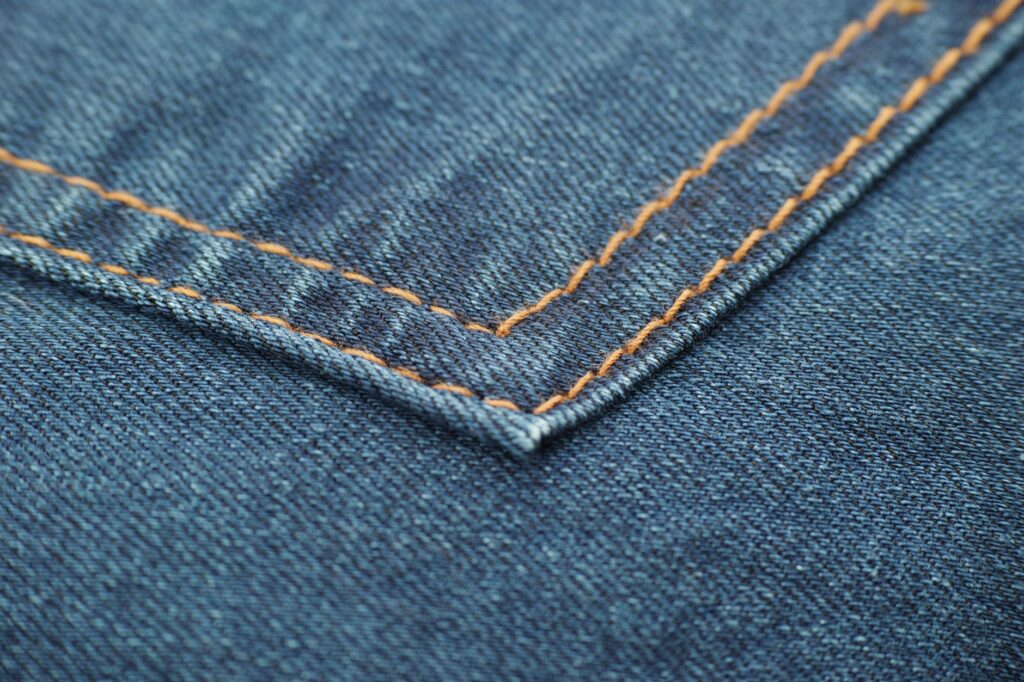
Denim construction has evolved far beyond the simple stitching and basic patterns of decades past. Modern jeans engineering involves sophisticated design methodologies that take into account body movement, fabric behavior and wear patterns. Today’s most advanced denim technology has introduced 3D denim engineered jeans, a revolutionary approach that reimagines how jeans are cut and manufactured to match the natural contours of the human body. This advancement in denim construction represents a genuine leap forward from traditional methods and has become a hallmark of premium denim production.
Understanding 3D Denim Construction
Traditional denim manufacturing follows a flat-pattern approach where fabric pieces are cut from a flat surface and then assembled through conventional stitching methods. This method has significant limitations because human legs are not flat surfaces, they’re three-dimensional structures with curves, angles and volume that vary dramatically between individuals. G-Star 3D denim engineered jeans take a fundamentally different approach by considering the garment in three dimensions from the initial design phase. Pattern pieces are engineered using advanced digital body scanning and biomechanical data to create a perfect fit that moves with the wearer, not against them. This is the core principle behind revolutionary 3D denim technology that sets premium brands apart from mass-market competitors.
The Science Behind Superior Fit
When jeans fit properly, they shouldn’t restrict movement or create unflattering bunching at stress points like the thighs, knees and seat. Research into body mechanics has led to innovations like strategically placed seams, variable inseam curves and specialized fabric panels that accommodate the natural shape of different leg types. Each component of 3D denim engineered jeans is designed to maintain optimal tension and support in the right places while allowing freedom of movement where it matters most. This level of precision in cut and construction directly translates to a more comfortable wearing experience throughout the day and a sharper silhouette that works across different body types and personal styles.
Fabric Technology and Performance

Beyond the cut itself, premium denim brands invest heavily in proprietary fabric technologies that complement their advanced construction methods. G-Star Engineered jeans often feature innovative weaves, blended fiber compositions and advanced treatment processes that enhance durability while maintaining the aesthetic qualities denim enthusiasts expect. Some premium lines incorporate specialty stretch fibers that work in concert with the 3D cut to provide all-day comfort without sacrificing that classic denim look. The fabric is engineered to move with the body, reducing the common complaint of jeans becoming misshapen throughout the day or after multiple wears.
Comparing Standard Cuts to Engineered Solutions
Standard jeans typically follow conventional sizing charts based on waist and inseam measurements alone. This approach works adequately for many wearers but often leaves unavoidable compromises in fit, either the rise is too high, the thigh is too loose or the leg doesn’t taper correctly. G-Star Advanced 3D methodology eliminates these trade-offs by considering
- Thigh volume and the natural angle of the femur, preventing excess fabric bunching in the upper leg
- Knee positioning and the curves of the kneecap, ensuring smooth fabric drape without bagging
- Calf taper and ankle opening, creating a clean line without constriction
- Seat depth and curve, adapting to different body proportions with precision seaming
- Rise height variations, offering options that work for different torso lengths and hip placements
The Innovation Process Behind Modern Denim Design
Developing premium denim requires sophisticated tools and extensive testing protocols. Leading brands use 3D body scanning technology and advanced virtual prototyping to test garment behavior before physical production begins. This means patterns are refined through digital simulations that predict exactly how the fabric will move and stretch during wear. The result is jeans that fit right from the first wear, without the typical “break-in” period or gradual stretching that leaves you frustrated with the fit. This technological investment sets advanced brands apart in a market where most competitors still rely on conventional cutting methods.
Why This Matters for Your Wardrobe

Investing in well-engineered denim means investing in pieces that work harder for you and deliver better results. Jeans that fit properly look better, last longer and feel more comfortable throughout your day, whether you’re sitting at a desk, running errands or enjoying leisure time. Whether you’re dressing for the office or casual weekend wear, the foundation of a great outfit starts with pants that actually fit your body, not a generic template that compromises comfort. G-Star Engineered denim represents a significant step forward in delivering quality fit at scale, making premium construction accessible to a broader audience than exclusive bespoke tailoring would allow.
The future of denim lies in thoughtful engineering and innovative technology. By choosing jeans designed with 3D methodology, you’re choosing pieces that prioritize both comfort and style, two qualities that should never be compromised in your everyday wardrobe.