
When you have cash sitting idle, the question becomes urgent where should that money live? The financial landscape has shifted dramatically in recent years, with opportunities that weren’t available just a few years ago. Whether you’re holding an emergency fund, saving for a near-term goal or managing cash between investments, your decision matters, different options offer vastly different returns and risk profiles. Understanding the differences between high-yield savings accounts, Treasury bills and brokerage-based cash management solutions is essential for making an informed choice that aligns with your financial goals and timeline.
High-Yield Savings Accounts Safety and Accessibility
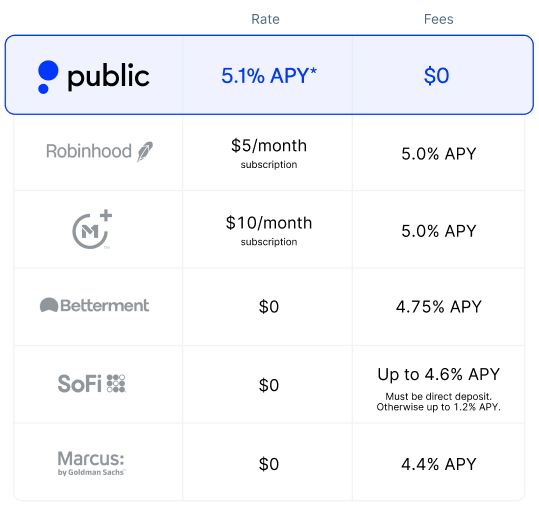
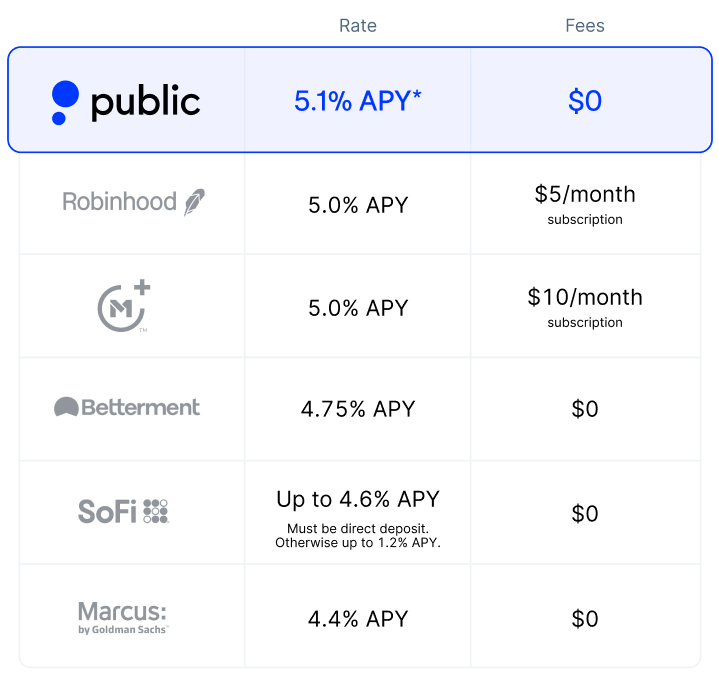
High-yield savings accounts have become increasingly attractive as interest rates have risen. Unlike traditional savings accounts offering minimal returns, high-yield versions currently provide competitive annual percentage yields (APYs) that keep pace with inflation. These accounts are FDIC-insured up to per institution, making them exceptionally safe. You maintain full liquidity, you can access your money whenever you need it without penalties or waiting periods. This makes high-yield savings ideal for emergency funds or money you might need within the next year. Public and similar platforms make it easy to understand and compare current rates, ensuring you’re getting competitive returns on your savings.
Treasury Bills Government-Backed Security
Treasury bills are short-term government debt securities issued by the U.S. Treasury, typically maturing in days, weeks or months. They’re backed by the full faith and credit of the U.S. government, making them virtually risk-free from a credit perspective. T-Bills are purchased at a discount and mature at full face value, the difference represents your interest income. They’re highly liquid and can be sold before maturity in an active secondary market. Tax-wise, T-Bill interest is subject to federal income tax but exempt from state and local taxes, which can be advantageous depending on your tax situation. For investors comfortable with slightly longer holding periods and seeking government-guaranteed returns, Public provides platforms to purchase T-Bills directly and track your holdings.
Brokerage Money Market Solutions
Brokerage accounts offer money market funds and cash management accounts that provide another avenue for parking money. Money market funds invest in short-term, high-quality debt instruments, offering returns competitive with savings accounts while providing exposure to a diversified portfolio of securities. Some brokerages sweep uninvested cash into money market funds automatically, earning interest while your money awaits deployment. The advantage is convenience, you can move funds between cash and investments seamlessly within a single account. Public integrates cash management tools directly into the investing platform, allowing you to optimize returns on idle cash without opening multiple accounts.
Comparing Risk, Return and Liquidity
The choice among these options depends on three primary factors. First, risk tolerance high-yield savings and T-Bills are low-risk, while money market funds have marginally higher risk from market fluctuations. Second, return expectations rates vary daily and across providers, so comparing current offerings is critical. High-yield savings often match or exceed T-Bill rates, while money market funds offer similar returns with different tax treatment. Third, liquidity needs high-yield savings are instantly accessible, T-Bills require selling on secondary markets and brokerage money market funds settle within 1-3 days typically. If you need immediate access to every dollar, high-yield savings wins. If you can lock money away for predictable periods, T-Bills offer certainty. Public provides tools to compare these options side-by-side, helping you evaluate what works best for your circumstances.
Tax Implications Matter
Tax treatment varies significantly among these options. Interest from high-yield savings accounts and money market funds is taxed as ordinary income. Treasury bill interest is exempt from state and local taxes, which can add 3-6% to effective after-tax returns depending on where you live. This difference becomes substantial on larger cash balances. If you’re in a high-tax state or have significant cash to park, the tax-free nature of T-Bills may outweigh slightly lower absolute returns. High-net-worth investors often layer these tools strategically, maxing FDIC protection in high-yield savings, holding T-Bills for tax efficiency and using brokerage accounts for flexibility. Understanding your personal tax bracket and state taxes helps determine which tool delivers the highest after-tax return. Public helps investors track and understand these differences when planning cash allocation.
Making the Right Choice for Your Situation
- Use high-yield savings for true emergency funds and money needed within 12 months, prioritizing safety and immediate access.
- Use Treasury bills for predictable cash needs with known timelines and when tax-efficiency is important in your overall portfolio.
- Use brokerage money market accounts for cash within an active investing strategy, allowing seamless transitions between cash and securities.
- Consider laddering T-Bills of different maturity dates to maintain regular income and liquidity while maximizing returns.
- Compare rates regularly, as yields shift with Federal Reserve policy changes and market conditions.
The Bottom Line
Parking cash strategically isn’t boring, it directly impacts your financial outcomes. Rather than settling for minimal returns in traditional savings, today’s environment offers multiple compelling options. High-yield savings accounts provide safety and liquidity. Treasury bills deliver government-backed security with tax advantages. Brokerage money market solutions integrate with active investing strategies. The optimal approach often involves using all three, allocating cash based on your timeline, tax situation and liquidity needs. By understanding each option’s strengths and making an informed choice aligned with your goals, you can ensure your cash works harder while you maintain the security and flexibility your situation demands.